

The Birthstone Ring Guide

A birthstone ring connects identity to adornment—a color, a story, and a tradition on your hand. This is your one-stop birthstone ring guide: meaning and history, practical buying advice (durability, metal, setting), care and cleaning, plus curated shopping ideas—so you can choose confidently.
- Shopping for two? Create a shared story and shop couple rings.
- Proposing with meaning? Compare settings and shop engagement rings.
A Tradition Through Time: What is the history and meaning of birthstones?
Birthstones trace to ancient traditions linking gems and virtue, later standardized into a modern month-by-month list in 1912, with updates adding alternatives for inclusivity and availability.
From ancient beliefs to modern lists: How did we get here?
- Origins: Ancient texts and traditions—including references to the High Priest’s Breastplate (often called the “Breastplate of Aaron”)—connected 12 stones to tribes, virtues, and times.
- Modern standardization: In 1912, the National Association of Jewelers (now Jewelers of America) published the first widely adopted U.S. birthstone list; updates since then added alternatives (e.g., alexandrite for June, spinel for August, tanzanite for December) to reflect supply and taste.
The Complete Guide to Birthstones by Month
Answer-first: Use these quick facts, lore, and wearability notes to pick a ring you’ll love—and wear—often.
Pro tip: For heirloom sparkle at modern prices, you can also shop lab-grown diamond rings for April or accent stones year-round.

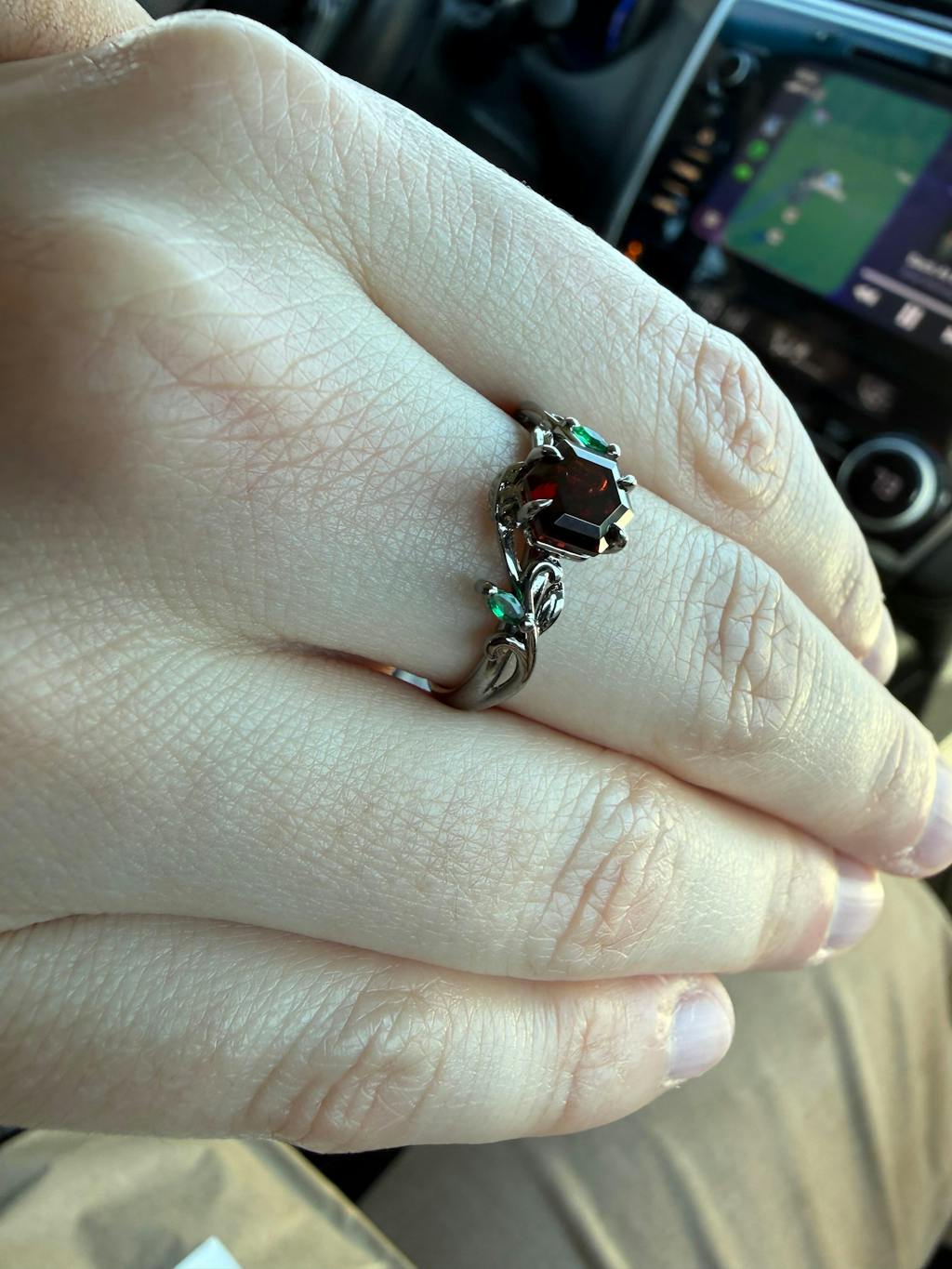
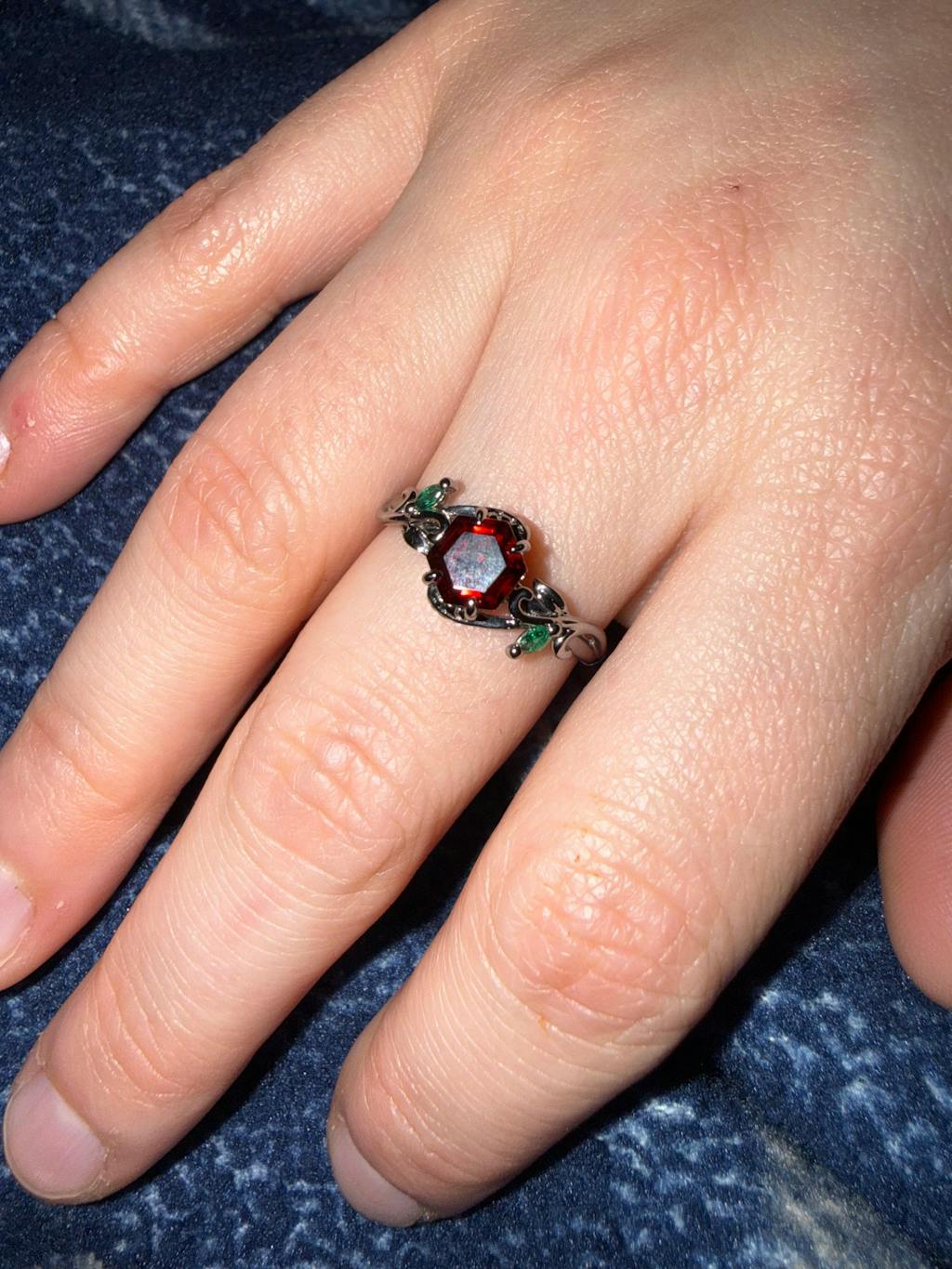
January Birthstone: The Resilient Garnet
Quick Facts
|
Stone(s) |
Color(s) |
Meaning |
Mohs Hardness |
|
Garnet |
Deep red, vivid green (tsavorite), orange (spessartite) |
Protection, love, loyalty |
6.5–7.5 |
Lore & Symbolism: Known since antiquity, garnet symbolized safe travels and steadfast love. Its family spans a rainbow of species beyond classic red.
Practicality & Wearability: At 6.5–7.5, garnet is good for regular wear with mindful care; avoid hard knocks and store separately to prevent scratches.
Curated Ring Picks:
- Bezel-set tsavorite oval in yellow gold (sleek, protected)
- Vintage-inspired red garnet halo with milgrain
- Modern east–west spessartite emerald-cut
February Birthstone: The Regal Amethyst
Quick Facts
|
Stone(s) |
Color(s) |
Meaning |
Mohs Hardness |
|
Amethyst |
Lavender to royal purple |
Clarity, calm, protection |
7 |
Lore & Symbolism: Long associated with royalty and sobriety, amethyst’s purple hues signal balance and creativity.
Practicality & Wearability: Mohs 7 is daily-friendly; avoid harsh chemicals and ultrasonic if the stone has fractures.
Curated Ring Picks:
- Minimalist bezel solitaire in white gold
- Deco-inspired step-cut amethyst with baguette sides
- Sculptural dome with amethyst cabochon
March Birthstone: The Serene Aquamarine
Quick Facts
|
Stone(s) |
Color(s) |
Meaning |
Mohs Hardness |
|
Aquamarine (modern), Bloodstone (traditional) |
Icy blue; deep green with red flecks (bloodstone) |
Serenity, courage |
7.5–8 (Aqua); ~6.5–7 (Bloodstone) |
Lore & Symbolism: Aquamarine, the “sailor’s stone,” evokes calm seas. Bloodstone, a chalcedony, signified vitality and protection.
Practicality & Wearability: Aquamarine’s 7.5–8 suits frequent wear; consider prongs or bezel for protection. Bloodstone is tougher than it tests but benefits from low-profile settings.
Curated Ring Picks:
- Aquamarine emerald-cut in platinum with tapered baguettes
- Bezel-set oval aquamarine in rose gold
- Bloodstone signet for a heritage twist
April Birthstone: The Iconic Diamond
Quick Facts
|
Stone(s) |
Color(s) |
Meaning |
Mohs Hardness |
|
Diamond (natural or lab-grown) |
Colorless to fancy colors |
Strength, eternity |
10 |
Lore & Symbolism: Diamonds symbolize enduring love and clarity. Lab-grown diamonds offer the same crystal structure and hardness with modern value.
Practicality & Wearability: Mohs 10 is ultra-durable; it still protects from sharp blows. Ultrasonic cleaning is generally safe for stable settings.
Curated Ring Picks:
- Classic round brilliant solitaire (perfect for milestones)
- East–west emerald-cut bezel for sleek daily wear
- Pavé dome right-hand ring for maximum sparkle
Explore ethical sparkle: shop lab-grown diamond rings.
May Birthstone: The Enigmatic Emerald
Quick Facts
|
Stone(s) |
Color(s) |
Meaning |
Mohs Hardness |
|
Emerald |
Vivid green |
Growth, renewal, insight |
7.5–8 (brittle, often included) |
Lore & Symbolism: Cleopatra’s favorite, the emerald symbolizes renewal and wisdom. Its jardin (natural inclusions) is part of the charm.

Practicality & Wearability: Though 7.5–8, emeralds can be brittle and often treated; choose protective settings (bezel/halo), avoid ultrasonic/steam, and use gentle cleaning only.
Curated Ring Picks:
- Bezel-set emerald-cut in yellow gold
- Vintage halo with tapered baguettes
- Three-stone emerald with sapphire sides for contrast
June Birthstone: The Shape-Shifter
Quick Facts
|
Stone(s) |
Color(s) |
Meaning |
Mohs Hardness |
|
Pearl, Alexandrite, Moonstone |
White/cream; color-change; adularescent white/blue |
Purity, luck, intuition |
~2.5–4.5 (Pearl), 8.5 (Alexandrite), 6–6.5 (Moonstone) |
Lore & Symbolism: June celebrates variety—pearl’s classic elegance, alexandrite’s rare color change, moonstone’s ethereal glow.
Practicality & Wearability: Pearl is soft and organic—best for occasional wear; wipe only. Alexandrite is excellent for daily wear. Moonstone benefits from bezel settings and gentle care.
Curated Ring Picks:
- Pearl bezel ring with protective rim
- Lab-created alexandrite solitaire in platinum
- Rainbow moonstone cabochon in a low-profile bezel
July Birthstone: The Powerful Ruby
Quick Facts
|
Stone(s) |
Color(s) |
Meaning |
Mohs Hardness |
|
Ruby |
Pigeon’s-blood red to pinkish red |
Passion, vitality, courage |
9 |
Lore & Symbolism: Ruby, the “king of gems,” has symbolized life force and leadership for centuries.
Practicality & Wearability: At 9, ruby is excellent for daily wear; many are heat-treated—disclose and care normally.
Curated Ring Picks:
- Cushion ruby halo in 18k yellow gold
- Bezel-set ruby signet for everyday strength
- Men’s ruby gypsy-set band
Explore masculine designs: shop men’s ruby rings.

August Birthstone: The Zesty Peridot
Quick Facts
|
Stone(s) |
Color(s) |
Meaning |
Mohs Hardness |
|
Peridot (modern), Spinel (alt), Sardonyx (traditional) |
Lime to olive green; varied hues for spinel |
Renewal, protection |
6.5–7 (Peridot), 8 (Spinel) |
Lore & Symbolism: Peridot, formed deep in Earth’s mantle, was once mistaken for emerald; spinel, long a “great imposter,” now shines in its own right.
Practicality & Wearability: Peridot is mid-hardness; avoid rough wear. Spinel at 8 is robust and a great alternative.
Curated Ring Picks:
- Peridot oval bezel in warm gold
- Spinel solitaire in platinum for daily wear
- Vintage sardonyx signet for classicists
September Birthstone: The Versatile Sapphire
Quick Facts
|
Stone(s) |
Color(s) |
Meaning |
Mohs Hardness |
|
Sapphire |
Blue is classic; also pink, yellow, green, and teal |
Wisdom, fidelity |
9 |
Lore & Symbolism: Sapphires symbolize steadfastness and insight; their color range makes them highly personal.
Practicality & Wearability: At 9, sapphire is a top pick for everyday and for bridal. Ultrasonic is often OK; confirm setting security.
Curated Ring Picks:
- Teal sapphire oval solitaire (bridal-friendly)
- Art Deco blue sapphire with baguette sides
- Pink sapphire bezel for playful daily wear
Considering bridal? See our buy birthstone engagement rings and shop engagement rings.
October Birthstone: The Dreamy Opal
Quick Facts
|
Stone(s) |
Color(s) |
Meaning |
Mohs Hardness |
|
Opal (modern), Tourmaline (alt) |
Play-of-color; rainbow tourmaline hues |
Imagination, hope |
~5.5–6 (Opal), 7–7.5 (Tourmaline) |
Lore & Symbolism: Opal’s shifting colors inspire creativity; tourmaline offers spectrum choices for personalization.
Practicality & Wearability: Opal is soft and porous—best in protective bezels, occasional wear only. Tourmaline is more durable but avoid harsh knocks.
Curated Ring Picks:
- Australian opal bezel in protective halo
- Watermelon tourmaline slice ring
- Black opal cabochon with low dome profile
November Birthstone: The Golden Glow
Quick Facts
|
Stone(s) |
Color(s) |
Meaning |
Mohs Hardness |
|
Topaz (modern), Citrine (alt) |
Honey to sherry; warm lemon to amber |
Abundance, warmth |
8 (Topaz; cleavage), 7 (Citrine) |
Lore & Symbolism: November’s stones channel optimism; citrine, once rare, is now a cheerful staple.
Practicality & Wearability: Topaz is hard but has cleavage—avoid sharp blows; citrine is a safe daily option with mindful care.
Curated Ring Picks:
- Imperial topaz emerald-cut in protective basket
- Citrine round bezel in rose gold
- Vintage-inspired topaz halo
December Birthstone: The Winter Blues (and Beyond)
Quick Facts
|
Stone(s) |
Color(s) |
Meaning |
Mohs Hardness |
|
Turquoise, Tanzanite, Zircon (also blue topaz) |
Sky blue to violet-blue |
Protection, transformation |
~5–6 (Turquoise), 6–7 (Tanzanite), 6–7.5 (Zircon) |
Lore & Symbolism: Turquoise is one of humanity’s oldest gems; tanzanite, discovered in 1967, symbolizes modern transformation.
Practicality & Wearability: Turquoise is soft/porous—occasional wear only. Tanzanite and zircon need protective settings and gentle handling.
Curated Ring Picks:
- Turquoise cabochon bezel in sterling silver
- Tanzanite oval in halo for added protection
- Blue zircon round in a secure six-prong setting

More to Celebrate: Modern and Alternative Birthstones
Some months have multiple stones for tradition, availability, budget, and style—giving you flexibility to find the perfect match.
Why do some months have two (or more) stones?
Modern lists add alternatives to improve accessibility (cost/supply), present sturdier daily-wear options, or embrace popular colors. Choose based on durability, meaning, and personal taste.
Which months have popular alternatives?
|
Month |
Traditional |
Modern/Alternatives |
Quick Tip |
|
June |
Pearl |
Alexandrite, Moonstone |
Choose alexandrite for daily wear; pearl for special occasions. |
|
August |
Sardonyx |
Peridot, Spinel |
Spinel (8 Mohs) is a durable daily choice. |
|
December |
Turquoise |
Tanzanite, Zircon, Blue Topaz |
Use bezels/halos for tanzanite/zircon; turquoise for occasional wear. |
A Practical Guide to Buying Your Birthstone Ring
Match metal to lifestyle and tone, pick a setting that protects your stone, and size for comfort and balance.
Choosing the right metal: What balances look, durability, and budget?
|
Metal |
Look |
Durability |
Best For |
|
Yellow Gold (10k–18k) |
Warm, classic |
Higher karat = softer |
Vintage looks, warm stones (garnet, citrine). |
|
White Gold (rhodium-plated) |
Bright, cool |
Needs re-plating over time |
Modern sparkle; pairs with aquamarine, sapphire. |
|
Rose Gold |
Romantic warmth |
Similar to yellow |
Softens greens and purples (emerald, amethyst). |
|
Platinum |
Naturally white, dense |
Excellent prong security |
Heirloom/bridal; daily wear for sapphire/ruby/diamond. |
|
Sterling Silver |
Bright, accessible |
Tarnish-prone (polishable) |
Fashion-forward, turquoise/opal styles. |
Eco-value tip: For April or accents, consider value-forward sparkle and shop lab-grown diamond rings.
Popular styles and settings: Which protect fragile stones?
- Solitaire (prong): maximal light; great for hard stones (diamond, sapphire, ruby).
- Bezel: metal rim protection; ideal for mid/soft stones (emerald, opal, turquoise, moonstone).
- Halo: adds scale and shields edges; good for aquamarine, tanzanite, and peridot.
- Three-stone: symbolism and balance; mix hardness thoughtfully.
Durability x Setting Cheat Sheet
|
Hardness (Mohs) |
Examples |
Safer Settings |
|
8–10 |
Diamond, Sapphire, Ruby, Alexandrite |
Prong, cathedrals, halos |
|
6–7.5 |
Garnet, Amethyst, Peridot, Citrine, Tourmaline |
Bezel/halo, lower profile |
|
<6 |
Opal, Pearl, Turquoise |
Full bezel, low dome; occasional wear |
Sizing heuristic: Aim for face-up coverage of ~35–55% of the proximal finger segment for daily comfort.
Beyond the Birthday: Styling and Gifting Ideas
Tell your story—stack colors, combine family stones, or choose durable birthstones for engagement and promises.
Creating your story: How do you stack and pair birthstone rings?
- Echo one color across metals and accents; mix textures (matte band + glossy bezel) rather than bulk.
- Build a duo: one signature stone + one neutral or diamond accent.
- Celebrating together? Coordinate partner sets and shop couple rings.
Considering a milestone promise? Read our promise ring buying guide and learn what are promise rings for couples.
The “Mother’s Ring”: How do you combine family stones?
- Choose a bar, bezel row, or cluster that protects softer stones.
- Balance the palette: alternate cool/warm tones for clarity.
- For proposals with family meaning, explore and buy birthstone engagement rings.
As an alternative engagement ring, which birthstones work best?
- Top choices: sapphire and ruby (Mohs 9) for daily wear; emerald with protective settings.
- For a classic diamond look with modern value, shop lab-grown diamond rings.
- Ready to compare silhouettes? Start here: shop engagement rings.
Your Guide to Birthstone Care & Cleaning
Clean by hardness tier; avoid harsh chemicals; store separately; inspect settings yearly.

The hardness rule: How do you clean safely by stone type?
- Hard stones (8–10 Mohs): Diamond, sapphire, ruby, alexandrite
- Cleaning: Mild soap + warm water + soft brush; ultrasonic is usually safe for stable, untreated stones and secure settings.
- Caution: Avoid ultrasonics for stones with fractures, heavy inclusions, or treatments (ask your jeweler).
- Mid-range stones (6–7.5 Mohs): Garnet, amethyst, peridot, citrine, tourmaline, aquamarine
- Cleaning: Mild soap + warm water + soft brush; avoid ultrasonic/steam if inclusions/treatments present.
- Care: Use lower profiles/bezels for regular wear.
- Soft/porous stones (<6 Mohs): Opal, pearl, turquoise, some moonstone, treated/porous materials
- Cleaning: Wipe with a barely damp soft cloth; no soaking; no ultrasonic/steam; avoid chemicals, perfumes, and heat.
- Storage: Soft pouch away from harder gems; opals prefer moderate humidity.
General tips:
- Put jewelry on last, take it off first.
- Annual pro check: prongs, bezels, and settings—especially for daily-wear rings.
Frequently Asked Questions (FAQ)
- Can I wear my birthstone ring every day? Yes—choose harder stones (diamond, sapphire, ruby, alexandrite) or use protective settings (bezels/halos) for mid-range stones. Softer stones (opal, pearl, turquoise) are best for occasional wear.
- What is the rarest birthstone? Among modern options, alexandrite is notably rare (and costly) in fine quality; natural, unheated sapphires/rubies in top color are also scarce.
- What if I don’t like my birthstone? Use an alternative for your month (e.g., spinel for August, alexandrite or moonstone for June), pick a different hue within the gem family, or celebrate a meaningful month (anniversary, child’s birth).
- How do I find out my ring size? Use a metal sizer or visit a jeweler for precise sizing. Measure at day’s end, in room temperature, and consider width: wider bands fit tighter. For proposals, discreetly size a well-fitting ring. When you’re ready, shop engagement rings or buy birthstone engagement rings.
Laat een reactie achter