

Vintage-Inspired Rings: A Guide to Art Deco, Edwardian & Victorian Styles

Antiquated rings are more than 100 years old, vintage rings are genuine pieces older than 20 years, and vintage-inspired rings are contemporary designs that faithfully replicate traditional design elements.
Because of their classic beauty, deep symbolic meaning, and distinct personality, vintage styles continue to be popular among collectors and contemporary brides.
What Makes Vintage Ring Designs So Appealing?
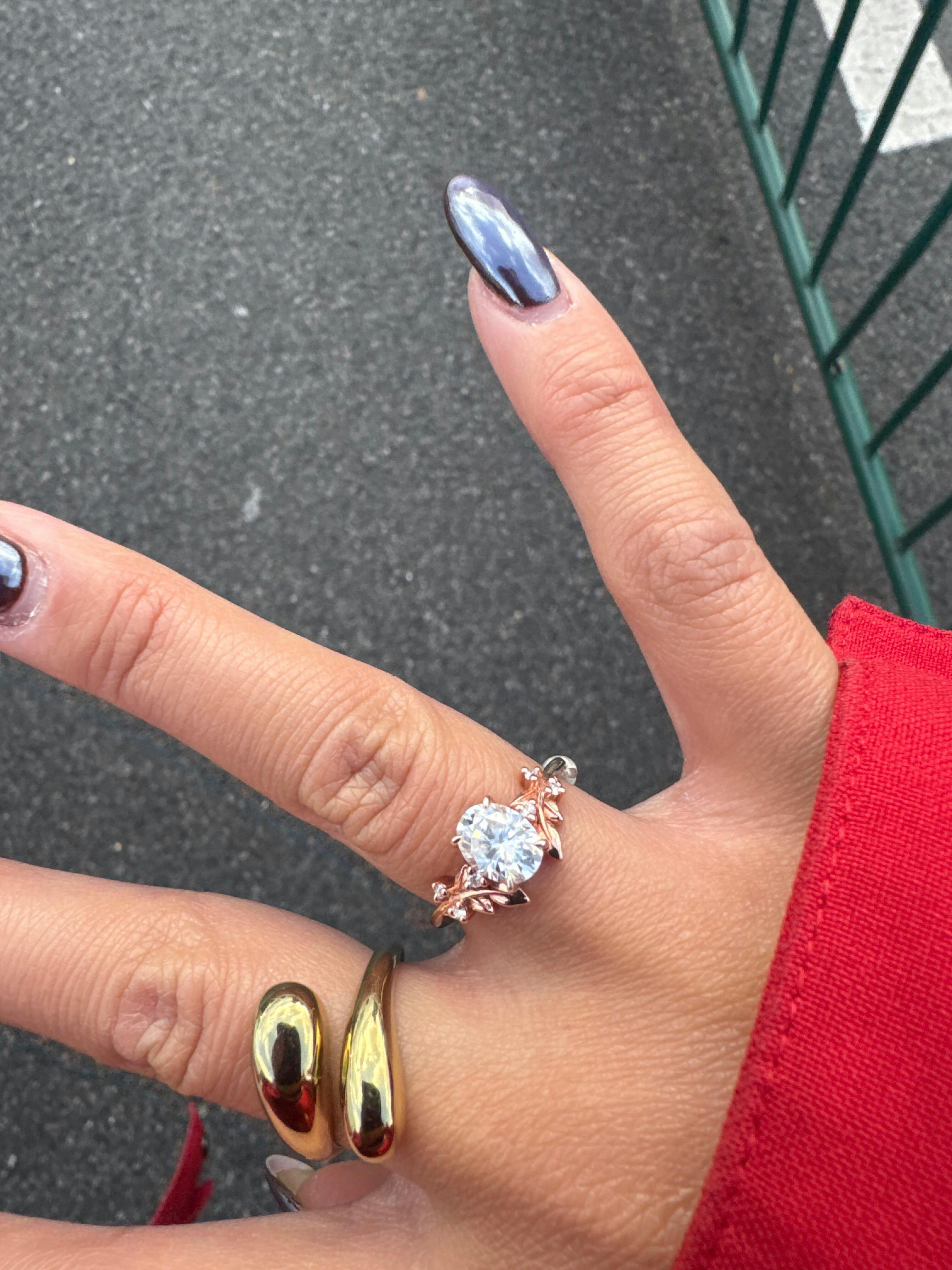
Vintage rings provide a strong sense of history, uniqueness, and craftsmanship. By sharing their cultural and personal stories, they stand out in a world of mass production. For this reason, many choose to use antique-themed wedding bands for contemporary ceremonies or vintage-inspired sapphire engagement rings.
What Is Covered in This Guide?
For Victorian, Edwardian, and Art Deco rings, this thorough guide offers identification frameworks, historical background, and in-depth era analysis. It also features expert interviews, care instructions, styling advice, authentication techniques, and helpful purchasing advice.
Timeline Synopsis of Important Eras
|
Time |
Years |
Defining Features |
|
Victorian |
1837-1901 |
Gold, colored gems, sentimental motifs |
|
Edwardian |
1901–1915 |
motifs of platinum, filigree, pearls, and lace |
|
Art Deco |
1920s–1935 |
Vibrant geometrics, colored stones, and platinum |
Recognizing Vintage Ring Eras: What Shaped Them and How to Spot Them?
A. How Were Each Ring Era Shaped by Social and Cultural Changes?
From 1837 to 1935, jewelry design was significantly influenced by historical occurrences, technological advancements, and well-known personalities.
Queen Victoria’s preferences and the development of mass production had an impact on Victorian rings.
Both the elegance of the Belle Époque and the development of metalwork were reflected in Edwardian pieces.
The Roaring Twenties, industrial themes, and discoveries such as King Tut’s tomb were all influences on Art Deco jewelry.
Jewelers all over the world follow the trends set by celebrities and royalty, such as Queen Victoria and the Jazz Age flappers.
B. How Can a Vintage Ring Be Recognized and Dated?
Design motifs, construction methods, and gemstone selections are used to determine the era.
Hearts, bows, snakes, sentimental symbols, roses, or yellow gold are examples of Victorian rings.
Edwardian: lace patterns, milgrain accents, and platinum filigree.
Art Deco features calibré-cut gems, geometric shapes, and contrasting colors.
Typical Myths
Even experienced collectors may become confused by overlapping styles in some rings, which combine characteristics from two different eras. Accurate dating depends on provenance, which can be supported by original records or appraiser knowledge.
A Close Look at the Victorian Era (1837–1901): What Makes Victorian Rings So Famous?
A. What Impact Did Queen Victoria and the Shifts of the Time Have on Jewelry Design?
As industrialization progressed, Queen Victoria’s personal preferences led to a boom in sentimental and symbolic jewelry.
Early (Romantic): Natural inspirations and romantic themes.
Mid (Grand): Dark materials and mourning jewelry following the passing of Prince Albert.
Late (Aesthetic): Movement in aesthetics and artistic experimentation.
Jewelry became more widely available during the Industrial Revolution, but craftsmanship was still valued.
B. What Characteristics Set Victorian Rings Apart?
Hearts, flowers, and bows are among the symbols of nature, love, and memory that are used in Victorian rings.
The key was symbolism: forget-me-not flowers for remembrance, hearts for romance, and serpents for eternity.
Methods of Construction
First done by hand, then with the help of machines.
Intricate collet settings, repoussé (metal pressing), and hand engraving.
C. Which Gemstones and Materials Were Popular in Victorian Jewelry?
Mostly rose gold and yellow, with jet, turquoise, garnets, and seed pearls set in it.
Higher-end pieces were embellished with diamonds, particularly cushion cuts and Old Mine diamonds.
|
Content |
Common Gemstones |
Prominent Cuts |
|
Old Mine, cushion, rose |
Garnet, turquoise, seed pearls |
Yellow/Rose Gold |
|
Jet, onyx |
Jet for jewelry for mourning |
|
D. What Kinds of Victorian Rings Are There?
Mourning Jewelry: Somber engravings, woven hair, and black materials (jet, onyx).
Hair Jewelry: Hair-woven bands or lockets, which are symbols of love or grief.
French enameling, British hallmarks, and Italian micromosaics are examples of regional variations.
E. How Are Victorian Rings Interpreted by Contemporary Designers?
**Modified period motifs for contemporary lifestyles are used in Victorian-inspired rings.
In addition to enhancing durability and modifying materials for today’s wearers, jewelers prioritize symbolic elements. Check out the newest trends in Promise Rings Buying Guide.
A Close Look at the Edwardian Era (1901–1915): What Is Edwardian-Era Style?
A. What Effects Did the Belle Époque and the Edwardian Era Have on Jewelry?
**A change to airy, lacy elegance in fine jewelry and fashion was associated with the Belle Époque and King Edward VII during the Edwardian period.
Complex filigree was produced by advances in metalwork, and ornate, feminine designs were encouraged by the popularity of large social gatherings.
B. What Features Make Edwardian Rings Unique?
Openwork and lace-like filigree
Fine beaded, or milgrain, edges
- Themes: Flowers, laurel wreaths, garlands, and bows
Platinum and diamonds were essential to this era’s delicate, “white on white” designs.
C. Which Innovations and Materials Were Highlighted?
White gold advancements joined platinum as the hallmark metal for Edwardian jewelry.
Thanks to advancements in stone-setting techniques, pearls, white diamonds, and realistic motifs were used extensively.
D. Which Gemstone Settings and Cuts Were Favored?
The style is defined by intricate floral arrangements, rose cuts, and old European cut diamonds.
Exquisite, airy arrangements were made possible by new settings, such as “invisible” mountings.
E. How Is Today’s Edwardian Style Adapted?
For engagement rings and ornamental bands, contemporary jewelers bring back Edwardian details, frequently simplifying filigree to maintain structural integrity.
Modern iterations combine distinctive elegance with longevity.
A Close Look at the Art Deco Era (1920s–1935): How Did Art Deco Permanently Change Jewelry?
A. How Did Art Movements and Social Changes Transform the Jewelry Industry?
The Jazz Age, Prohibition, and world discoveries were all reflected in the Art Deco era.
Ring design became a celebration of contrast and symmetry thanks to machine motifs, geometric art, and Eastern/ancient inspirations.
B. What Design Features Characterize Art Deco Rings?
- Strong geometric designs
- Architectural forms that are symmetrical
- Contrasting color combinations: onyx with platinum, sapphires/rubies with diamonds
C. Which Technical Advancements and Materials Were Associated with Art Deco?
In addition to calibré-cut colored gemstones and diamonds in unusual shapes, platinum and white gold remained popular.
Bold silhouettes and precise, low-profile settings were made possible by technological advancements.
D. How Did Color Use and Gemstone Cuts Change Over Time?
Asscher, baguette, and emerald cuts flourished, and vividly colored stones produced striking effects.
The visual impact of the era is further enhanced by contrasting colored enamels, bright corundum, and black onyx.
E. What Is the Current Style of Rings Inspired by Art Deco?
Today’s Art Deco-inspired rings maximize everyday durability by reinterpreting geometric aesthetics for stacking and metal mixing.
Visit shop couple rings to see the latest collection.

Gemstones Cut Through Time: How Have Cutting Techniques Changed Over Time?
A. How Have Techniques for Cutting Gemstones Changed Over Time?
Gemstone cuts changed as setting possibilities, taste, and technology advanced.
Victorian: cushion, rose cuts, and Old Mine
Edwardian: Transitional cuts from Old Europe
Art Deco: baguette cuts, asscher, and emerald
B. What Are the Preferred Cuts of Each Era’s Hallmarks?
|
Time |
Common Cuts |
Unique Characteristics |
|
Softer, less symmetrical, with visible culets |
Victorian |
Old Mine, Cushion, Rose |
|
Old European, Rose |
Edwardian |
Rounder, high crowns, fine faceting |
|
Art Deco |
Emerald, Asscher, Baguette |
Step cuts, geometric, and straight lines |
C. What Are Contemporary Gemstone Cut Substitutes?
**Today’s “vintage cuts” could be recut to fit outdated aesthetics, fusing vintage flair with contemporary functionality.
See Lapis Lazuli vs. Turquoise for suggestions on unusual gem pairings.
Identification & Authentication Guide: How Can the Vintage Origins of a Ring Be Proven?
A. Which Expert Authentication Techniques Are Employed?
Maker’s marks and hallmarks: Stamped symbols signifying origin and metal
Construction analysis: Hand-finishing, setting types, or soldering techniques specific to a given era
Material testing: Verifies composition and age
B. How Can You Recognize the Era at Home?
Checklist: Craftsmanship details, metal, gemstone cut, and motif/shape
Reproduction red flags: Modern solder, machine-perfect uniformity, and fake wear patterns
C. Does Documentation Matter?
Yes. For valuable pieces, provenance, original documents, or an appraiser’s opinion are crucial.
Gather images, records, and previous evaluations.
D. What Are the Typical Dangers of Reproductions and Fakes?
Signs include harsh patina, chemically aged finishes, and misspelled hallmarks.
“Too good to be true” pricing frequently indicates a reproduction rather than a vintage original.
Detailed Buying Guide: How Can You Make a Smart Purchase of a Vintage or Vintage-Inspired Ring?
A. How Should a Vintage Ring Budget Be Set?
Price is affected by maker, condition, materials, and era.
Art Deco rings start at $1,500, Edwardian rings at $1,200, and Victorian rings at $800; rare or exceptional pieces fetch higher prices.
|
Era |
Entry-Level |
Collector-Level |
|
Victorian |
$800+ |
$5,000+ |
|
Edwardian |
$1,200+ |
$7,500+ |
|
Art Deco |
$1,500+ |
$10,000+ |
B. Where Can I Make a Confident Purchase?
Reputable antique dealers and accredited auction houses
Internet merchants offering complete documentation and return guarantees
- Antique fairs and estate sales (with extra care)
See Matching Wedding Rings buying guide for additional information on ring pairings.
C. How Do You Evaluate a Condition?
Verify that the stones are secure, the settings are intact, and the original features are present.
If disclosed, sympathetic restoration symptoms are acceptable.
D. What Matters in the Purchase and Negotiation Process?
Examine market values beforehand.
Request certifications and evaluations from third parties.
Make use of insured shipping and payment methods.
E. Which Ethical and Legal Considerations Are Necessary?
Origins/provenance—avoid conflict gems and inquire about import regulations
Recognize return policies; trustworthy vendors provide a minimum of 14 days for returns.
Protection, Upkeep, and Care: How Can You Keep Your Antique Ring Safe?
A. Era-Specific Care Guidelines: What Are They?
Victorian: Clean gently; do not use an ultrasonic cleaner.
Edwardian: Be especially careful—filigree is delicate.
Art Deco: Prevent knocks on geometric settings
B. Smart Daily Wear Practices: What Are They?
Take off the rings when gardening, playing sports, or performing manual labor.
To avoid scratches, store separately.
C. When Is It Time for Professional Maintenance?
It is advised to conduct inspections every year.
Cleaning suitable for the era (no harsh chemicals)
Let specialized jewelers handle the restoration.
D. Why Document and Insure Your Ring?
Determine the replacement value.
Take a picture and document information for insurance.
Considerations for Sizing and Alterations: What Difficulties Occur When Resizing Antique Rings?
A. Why Are Vintage Rings Frequently Difficult to Size?
Many have settings or complex shanks that restrict safe resizing.
To prevent structural compromise, professional evaluation is essential.
B. What Alternative and Professional Choices Do You Have?
Professional jewelers can adjust the size within reason; very old or delicate designs might need ring guards or special inner bands.
An alternative, such as a sizing bar, might be suggested to preserve integrity if resizing poses a risk to the piece.
Value and Investment Considerations: Are Antique Rings a Wise Purchase in 2025?
A. What Effects Does Time Have on the Value of Vintage Rings?
Since 2019, the value of Victorian and Art Deco rings has increased by 5–8% a year, surpassing that of many modern designer brands.
Important motivators include provenance, rarity, and era-defining characteristics.
B. How Much Should You Know About Resale?
Items with trending motifs, original documentation, and good condition fetch the highest resale value.
Returns can be increased by timing sales for auction cycles.
Contemporary Substitutes & Tailored Choices: What If You Desire the Retro Style With Contemporary Reliability?
A. Why Think About Custom or Vintage-Inspired Rings?
Contemporary rings provide ethical sourcing, durability, and warranties (e.g., recycled gold, lab-grown stones).
Customization enables you to incorporate personal details with period style.
B. How Do You Locate the Best Jeweler?
Look for designers who specialize in work with a vintage feel.
Strike a balance between genuineness and common sense.
Cost: frequently lower than genuine antiques, with a wider selection of materials
Style & Pairing Guide: How Can You Wear Rings With a Vintage Feel Confidently?
A. Complementing Individual Style
Victorian: For sentimentalists and romantics
Edwardian: Ideal for people who appreciate subtlety and attention to detail
Art Deco: Ideal for fashionistas who like bold, geometric styles
B. Using Together With Wedding Sets
Seek out wedding bands that contrast for a contemporary mix or that re-create historical themes.
Stacking bands complements Edwardian and Art Deco rings particularly well.
Professional Views & Resources: Where Can You Find Reliable Guidance or Learn More?
A. Perspectives From Professionals in the Field
Collectors, appraisers, and antique dealers all emphasize:
Provenance and documentation over “looks”
The importance of expert restoration and condition
The bridal market is seeing a resurgence of interest in Edwardian and Art Deco rings.
B. Extra Resources
Books: Bennett & Mascetti’s “Understanding Jewellery”
Memberships: Gemological Institute of America (GIA), National Association of Jewelry Appraisers (NAJA)
- To purchase: shop Vintage Sapphire Engagement Rings
Conclusion & Next Steps: What Is the Best Way to Purchase or Commission a Vintage-Style Ring?
Important Points to Remember:
- Decide on your favorite period and its salient features.
- Choose between vintage-inspired and authentic.
- Set aside money for care and investments after the purchase.
Steps to Take:
- Speak with reputable merchants or skilled jewelers.
- Completely document your purchase and appraisals.
- Plan for yearly maintenance and ensure your purchase.
Are you prepared to explore? Start your hunt with reputable vintage vendors or contemporary jewelers who specialize in pieces with historical influences.
For more information, check out our Promise Rings Buying Guide.


Dejar un comentario