

Engagement Ring Buying Guides

Why 2025 is Different for Engagement Ring Buyers
The engagement ring landscape has transformed dramatically in 2025, with 78% of couples now involved in selecting their ring together, according to The Knot's 2024 Jewelry and Engagement Study. This shift toward collaborative decision-making, combined with breakthrough technologies like AI-powered diamond selection and AR try-on experiences, means today's ring buyers have unprecedented access to information, customization, and value.
Key 2025 Market Changes:
- Lab-grown diamonds now represent 60% of millennial purchases
- Average engagement ring cost has stabilized at $5,200(down from previous peaks)
- AI-assisted selection tools are revolutionizing the shopping experience
- Sustainability concerns drive 40% of purchasing decisions
- East-west settings and chunky bands dominate trending styles
This comprehensive guide will navigate you through every aspect of engagement ring selection, from budget planning to final purchase, ensuring you make an informed decision that reflects both current market realities and timeless principles of quality and value.
Foundation Planning (Budget & Timeline)
How Should You Set Your Engagement Ring Budget in 2025?
The three-month salary rule is officially dead. Instead, modern couples should allocate 5-10% of their annual household income to engagement ring purchases, with the average American couple spending $5,200 in 2024.
Smart Budget Allocation Framework:
- 40%- Center stone (diamond or gemstone)
- 30%- Setting and craftsmanship
- 20%- Metal and band details
- 10%- Insurance, resizing, and contingency
Budget Ranges and Realistic Expectations:
- $1,000-$3,000: Lab-grown diamonds 0.5-1.0 carat, alternative gemstones, simple settings
- $3,000-$7,000: Natural diamonds 0.75-1.25 carat, elaborate settings, premium metals
- $7,000-$15,000: Premium natural diamonds 1.0-2.0 carat, designer settings, custom work
- $15,000+: Luxury diamonds 2.0+ carat, bespoke designs, rare gemstones
What Hidden Costs Should You Consider?
Beyond the ring price, budget for these essential expenses:
Immediate Costs:
- Ring Insurance: $50-200 annually (0.5-2% of ring value)
- Professional Appraisal: $150-400
- Resizing: $50-300 (if needed)
- Sales Tax: 6-10% depending on location
Long-term Costs:
- Annual Maintenance: $100-300
- Rhodium Replating(white gold): $75-150 every 2-3 years
- Prong Retipping: $40-100 every 10-15 years
How Long Should Your Purchase Timeline Be?
Recommended Timeline by Purchase Type:
Ready-Made Rings: 2-4 weeks
- Research and selection: 1-2 weeks
- Sizing and delivery: 1-2 weeks
Semi-Custom Rings: 4-8 weeks
- Stone selection: 1-2 weeks
- Setting selection: 1 week
- Production: 2-4 weeks
- Final adjustments: 1 week
Fully Custom Rings: 8-16 weeks
- Design consultation: 2-3 weeks
- CAD design and revisions: 2-3 weeks
- Production: 4-6 weeks
- Quality control and delivery: 2-4 weeks
Education & Understanding
What Are the 4Cs and Why Does Cut Matter Most?
The 4Cs—Cut, Color, Clarity, and Carat—determine diamond quality and price. Cut quality has the greatest impact on a diamond's beauty, accounting for up to 50% of its visual appeal.
Cut: The Most Important Factor
Why Cut Matters Most: Cut determines how well a diamond reflects light, creating the sparkle and brilliance that make diamonds captivating. A poorly cut diamond will appear dull even with perfect color and clarity.
Cut Grades (GIA Scale):
- Excellent: Premium light performance, maximum brilliance
- Very Good: Highlight performance, excellent value
- Good: Good light performance, budget-friendly
- Fair/Poor: Limited brilliance, avoid for engagement rings
Investment Recommendation: Always prioritize Excellent or Very Good cut grades, even if it means compromising on other factors.
Color: Understanding the Spectrum
Color Grades and Value:
- D-F (Colorless): Premium pricing, maximum white appearance
- G-J (Near Colorless): Best value, imperceptible color in most settings
- K-M (Faint Yellow): Budget option, best in yellow gold settings
- N-Z (Light Yellow): Avoid for engagement rings
2025 Trend: H-I color diamonds offer the best balance of quality and value, appearing colorless to most observers while costing 20-30% less than D-F grades.
Clarity: Finding the Sweet Spot
Clarity Grades and Practical Impact:
- FL-IF (Flawless): Rare and expensive, no practical benefit
- VVS1-VVS2: Very expensive, inclusions invisible to the naked eye
- VS1-VS2: Optimal choice- clean appearance, good value
- SI1-SI2: Budget option, requires careful selection
- I1-I3: Avoid engagement rings
Eye-Clean Standard: Choose SI1 or better to ensure inclusions aren't visible without magnification.
Carat: Size vs. Quality Balance
Carat Weight Considerations:
- 50-0.75 carat: Delicate, budget-friendly option
- 75-1.00 carat: Most popular range, good size-to-value ratio
- 00-1.50 carat: Premium choice, significant visual impact
- 50+ carat: Luxury option, exponential price increases
Value Optimization: Consider a 0.90 carat instead of a 1.00 carat for 10-15% savings with minimal size difference.
Should You Choose Lab-Grown or Natural Diamonds?
Lab-grown diamonds are chemically identical to natural diamonds, offering the same hardness, brilliance, and durability at 30-50% lower cost.
Lab-Grown Diamond Advantages:
- Cost Savings: 30-50% less expensive than natural diamonds
- Ethical Certainty: No mining concerns or conflict issues
- Environmental Impact: Lower carbon footprint
- Quality Consistency: Controlled growing conditions
- Larger Size Options: Bigger stones within budget
Natural Diamond Advantages:
- Rarity and Romance: Billions of years of natural formation
- Resale Value: Established secondary market
- Traditional Appeal: Historical significance and status
- Investment Potential: Better long-term value retention
2025 Market Reality: 60% of millennials choose lab-grown diamonds, while 70% of Gen X prefer natural stones.
What Alternative Stones Should You Consider?
Beyond diamonds, several gemstones offer beauty, durability, and unique character for engagement rings.
Premium Gemstone Options
- Hardness: 9/10 (excellent for daily wear)
- Colors: Blue, pink, yellow, white, padparadscha
- Price Range: $500-5,000 per carat
- Famous Example: Princess Diana's blue sapphire ring
- Hardness: 9/10 (same as sapphire)
- Symbolism: Passion, love, vitality
- Price Range: $1,000-15,000 per carat
- Best Sources: Burma, Thailand, Sri Lanka
- Hardness: 7.5-8/10 (requires protective setting)
- Characteristics: Vivid green, natural inclusions
- Price Range: $500-10,000 per carat
- Care Requirements: Avoid ultrasonic cleaners
Alternative Stone Options
- Brilliance: Higher refractive index than diamond
- Hardness: 9.25/10 (excellent durability)
- Cost: 90% less than a comparable diamond
- Appearance: More "fiery" than diamond
- Color: Pale to deep blue
- Hardness: 7.5-8/10
- Symbolism: Calm, clarity, courage
- Price Range: $50-500 per carat
- Unique Feature: Color-changing properties
- Hardness: 8.5/10
- Rarity: Extremely rare natural gemstone
- Price Range: $500-10,000 per carat
- Appearance: Unique dendritic patterns
- Hardness: 6.5-7/10
- Style: Bohemian, nature-inspired
- Price Range: $20-200 per carat
Style & Design Selection
What Are the Most Popular Engagement Ring Settings in 2025?
Engagement ring settings have evolved significantly, with three-stone rings and bezel settings gaining popularity alongside traditional solitaires.
Solitaire Settings: Classic and Modern Variations
Traditional Solitaire:
- Four-prong: Classic, minimal metal, maximum light
- Six-prong: Enhanced security, vintage appeal
- Cathedral: Arched band, elevated center stone
- Tiffany-style: Iconic six-prong design
Modern Solitaire Variations:
- Knife-edge band: Contemporary, sleek profile
- Twisted band: Subtle detail, modern romance
- Tapered band: Wider at center, elegant proportion
Halo Settings: Traditional and Contemporary
Classic Halo Benefits:
- Size Enhancement: Makes the center stone appear 0.5 carats larger
- Added Sparkle: Surrounding diamonds increase brilliance
- Value Optimization: Smaller center stone with maximum impact
- Vintage Appeal: Art Deco and Victorian inspiration
Contemporary Halo Styles:
- Double Halo: Two rings of accent diamonds
- Cushion Halo: Soft, rounded appearance
- Octagonal Halo: Geometric, modern design
- Hidden Halo: Diamonds underneath the center stone
Three-Stone Settings: 2025's Rising Star
Why Three-Stone Rings Are Trending:
- Symbolism: Past, present, future representation
- Versatility: Mix different stone shapes and types
- Balance: Symmetrical, harmonious design
- Customization: Endless combination possibilities
Popular Three-Stone Combinations:
- Round center + pear sides: Classic elegance
- Emerald center + baguette sides: Art Deco style
- Oval center + round sides: Modern sophistication
- Different gemstones: Sapphire + diamond combinations
East-West Settings: The 2025 Trend
East-west settings orient traditionally vertical stones horizontally, creating unique, contemporary looks.
Best Stones for East-West:
- Oval: Elongated, modern appearance
- Marquise: Dramatic, eye-catching
- Emerald: Geometric, architectural
- Pear: Artistic, unconventional
How Should You Choose Your Ring Metal?
Metal selection affects appearance, durability, maintenance, and cost. Platinum remains the premium choice, while 14k gold offers the best value balance.
Platinum: The Premium Choice
Platinum Advantages:
- Purity: 95% pure platinum content
- Durability: Doesn't wear away, develops patina
- Hypoallergenic: Ideal for sensitive skin
- Prestige: Luxury metal status
- Color Stability: Maintains white appearance
Platinum Considerations:
- Cost: 40-60% more expensive than gold
- Weight: Heavier on the finger
- Maintenance: Requires professional polishing
- Scratching: Shows scratches (can be buffed out)
Gold Options: White, Yellow, and Rose
14k White Gold:
- Composition: 58.3% gold + white metals
- Appearance: Bright white (rhodium plated)
- Durability: Excellent for daily wear
- Maintenance: Rhodium replating every 2-3 years
- Cost: 30-40% less than platinum
18k Yellow Gold:
- Composition: 75% gold + alloy metals
- Appearance: Rich, warm yellow
- Durability: Softer than 14k, still excellent
- Maintenance: Minimal, natural tarnish resistance
- Trend Status: Major comeback in 2025
14k Rose Gold:
- Composition: 58.3% gold + copper
- Appearance: Romantic pink hue
- Durability: Excellent, copper strengthens gold
- Maintenance: Minimal, stable color
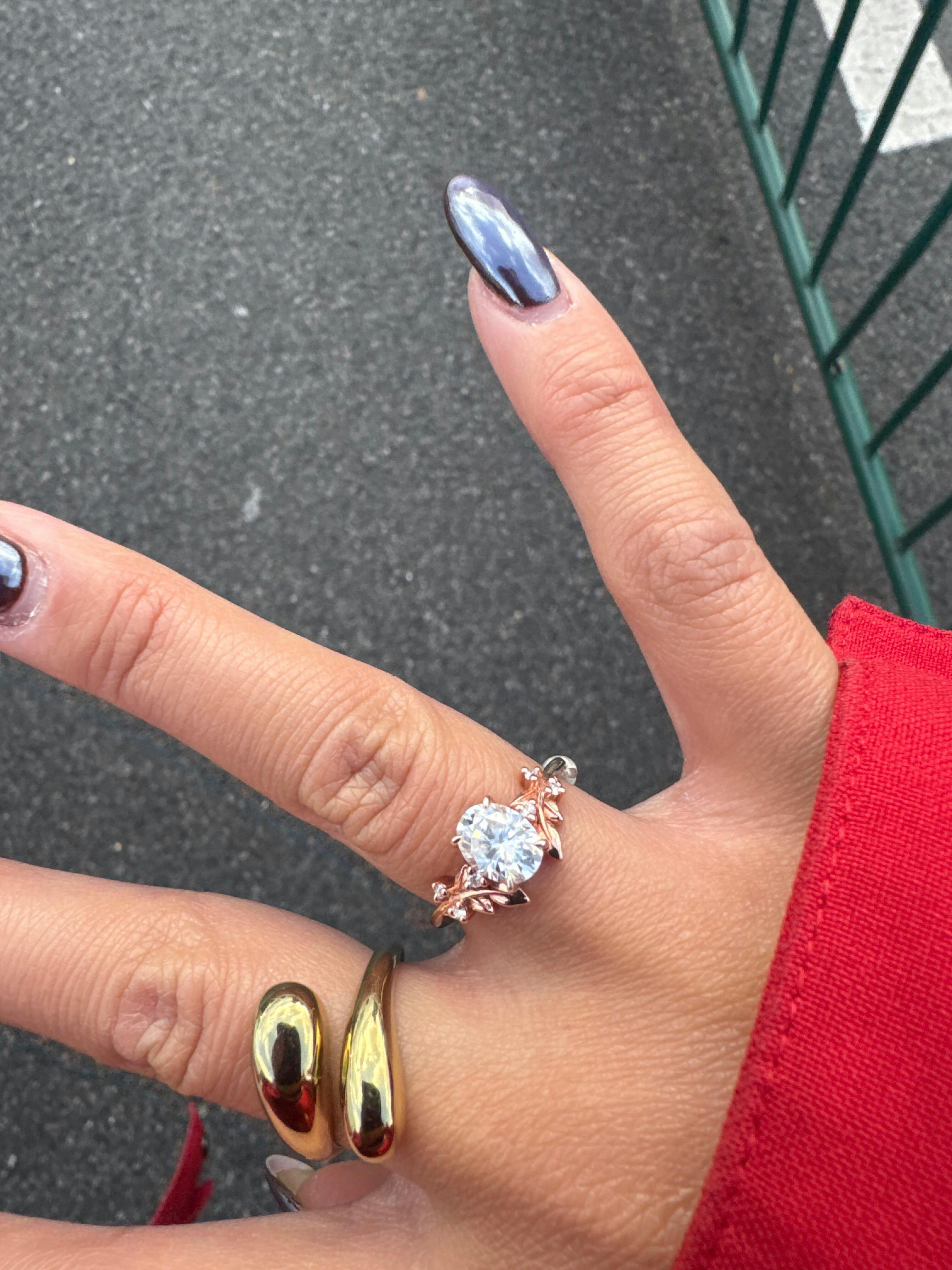
- Style: Vintage-inspired, Instagram-popular
Advanced Considerations
How Should Your Lifestyle Influence Ring Selection?
Your daily activities, profession, and personal habits should guide ring design choices for long-term satisfaction and durability.
Professional Environment Considerations
Corporate/Office Settings:
- Recommended: Low-profile settings, classic styles
- Avoid: Large, protruding stones that catch on keyboards
- Best Options: Bezel settings, flush-set stones
- Metal Choice: Platinum or white gold for a professional appearance
Healthcare/Service Industries:
- Requirements: Smooth surfaces, easy cleaning
- Recommended: Bezel or tension settings
- Avoid: Prong settings with crevices
- Sanitation: Consider removable options
Creative/Artistic Fields:
- Flexibility: More experimental designs are acceptable
- Durability: Protect from paint, clay, chemicals
- Style: Unique stones, alternative metals
- Creativity: Custom designs, unconventional shapes
Active Lifestyle Adaptations
Sports and Fitness:
- Recommended: Low-profile bezel settings
- Avoid: High-set prongs, delicate details
- Materials: Platinum or titanium for durability
- Safety: Consider removable options for contact sports
Travel and Adventure:
- Security: Discrete designs, travel insurance
- Durability: Strong settings, protective cases
- Maintenance: Easy cleaning, professional inspection
- Documentation: Certificates and photos for customs
How Is Technology Changing Ring Shopping?
AI-powered tools and augmented reality are revolutionizing how couples select engagement rings, offering personalized recommendations and virtual try-on experiences.
AI-Powered Recommendations
How AI Selection Works:
- Preference Input: Budget, style, stone preferences
- Algorithm Analysis: Thousands of available options
- Personalized Results: Top recommendations based on criteria
- Continuous Learning: Refines suggestions based on feedback
Benefits of AI Tools:
- Time Savings: Eliminate unsuitable options quickly
- Value Optimization: Find best quality within budget
- Unbiased Selection: Data-driven recommendations
- Market Awareness: Real-time pricing and availability
Augmented Reality Try-On
AR Technology Features:
- Virtual Ring Placement: See rings on your actual hand
- Size Visualization: Accurate scale representation
- Multiple Angles: 360-degree viewing capability
- Realistic Lighting: Various lighting conditions
AR Try-On Benefits:
- Confidence: Visualize before purchasing
- Convenience: Try hundreds of styles instantly
- Comparison: Side-by-side style evaluation
- Sharing: Show options to partner remotely

Shopping Strategy
Where Should You Buy Your Engagement Ring?
The retail landscape offers multiple channels, each with distinct advantages. Online retailers now capture 45% of engagement ring sales, while independent jewelers provide personalized service.
Online vs. In-Store: Complete Comparison
Online Advantages:
- Selection: Thousands of options available
- Pricing: 15-30% lower than traditional retail
- Convenience: Shop anytime, no pressure
- Information: Detailed specifications and images
- Tools: AI recommendations, virtual try-on
Online Disadvantages:
- No Physical Inspection: Can't examine the stone in person
- Sizing Uncertainty: May require resizing
- Service Limitations: Remote customer support only
- Return Complexity: Shipping requirements
In-Store Advantages:
- Physical Examination: See and feel the rings directly
- Expert Guidance: Immediate professional advice
- Custom Services: On-site sizing and adjustments
- Relationship Building: Long-term service provider
- Security: No shipping risks
In-Store Disadvantages:
- Limited Selection: Inventory constraints
- Higher Prices: Overhead costs included
- Pressure: Sales-focused environment
- Time Investment: Multiple visits required
Retailer Types and Selection Criteria
National Chain Stores:
- Examples: Zales, Kay Jewelers, Jared
- Advantages: Standardized quality, financing options
- Best For: Traditional styles, budget-conscious buyers
- Considerations: Limited customization, mass-market appeal
Online Specialists:
- Examples: Blue Nile, Brilliant Earth, James Allen
- Advantages: Extensive selection, competitive pricing
- Best For: Informed buyers, value seekers
- Considerations: No physical inspection, shipping delays
Independent Jewelers:
- Advantages: Personalized service, custom capabilities
- Best For: Unique designs, local relationships
- Considerations: Limited inventory, higher prices
- Selection: Research reputation, certifications
How Do You Ensure Quality and Authenticity?
Certification verification and return policies are essential protections against fraud and disappointment.
Certification Requirements
Essential Certifications:
- GIA (Gemological Institute of America): Gold standard for diamonds
- AGS (American Gem Society): Excellent for cut quality
- SSEF: Premium for colored gemstones
- Gübelin: Luxury gemstone certification
Certification Verification:
- Online Lookup: Verify certificate numbers
- Physical Inspection: Match laser inscriptions
- Third-Party Appraisal: Independent expert review
- Documentation: Keep all certificates and receipts
Return and Exchange Policies
Minimum Policy Requirements:
- 30-Day Return Window: Standard industry practice
- Money-Back Guarantee: Full refund option
- Free Resizing: Within 60 days of purchase
- Condition Requirements: Unworn, original packaging
Extended Protection Options:
- Lifetime Warranty: Manufacturing defect coverage
- Upgrade Programs: Trade-in value for larger stones
- Maintenance Plans: Free cleaning and inspection
- Insurance Partnerships: Simplified coverage enrollment
Customization & Personalization
How Does the Custom Design Process Work?
Custom engagement rings represent 35% of luxury purchases, offering unique designs that reflect personal style and love stories.
Working with Designers
Design Process Steps:
- Consultation: Discuss vision, budget, timeline
- Concept Development: Initial sketches and ideas
- CAD Modeling: 3D computer-aided design
- Revision Rounds: Refine details and proportions
- Approval: Final design confirmation
- Production: Crafting and stone setting
- Quality Control: Inspection and finishing
- Delivery: Final presentation and fitting
Timeline Expectations:
- Initial Consultation: 1-2 hours
- Design Development: 2-3 weeks
- CAD Creation: 1-2 weeks
- Revisions: 1-2 weeks
- Production: 4-8 weeks
- Total Process: 8-16 weeks
Custom Design Costs
Cost Factors:
- Design Complexity: Simple vs. intricate details
- Stone Requirements: Size, quality, rarity
- Metal Choice: Platinum vs. gold pricing
- Labor Intensity: Hand-crafted vs. machine-made
- Designer Reputation: Established vs. emerging talent
Budget Allocation:
- Design Fee: 10-20% of total cost
- Materials: 60-70% of total cost
- Labor: 20-30% of total cost
- Contingency: 5-10% for revisions
What Personalization Options Are Available?
Engraving and symbolic elements transform rings into deeply personal treasures.
Engraving Ideas and Techniques
Popular Engraving Options:
- Initials and Date: Classic choice, timeless appeal
- Coordinates: Location of proposal or first meeting
- Short Messages: "Always" "Forever" "My Love"
- Song Lyrics: Meaningful line from a special song
- Inside Jokes: Personal references that only you understand
Engraving Techniques:
- Hand Engraving: Artisan craftsmanship, unique character
- Machine Engraving: Precise, consistent results
- Laser Engraving: Detailed, permanent marking
- Diamond Engraving: Invisible marking for security
Symbolic Design Elements
Meaningful Additions:
- Birthstones: Hidden gems representing birth months
- Family Diamonds: Incorporating heirloom stones
- Cultural Symbols: Religious or cultural motifs
- Personal Motifs: Representations of shared interests
- Zodiac Elements: Constellation patterns or symbols
2025 Trends & Future-Proofing
What Are the Top Engagement Ring Trends for 2025?
Current trends blend vintage inspiration with modern innovation, creating rings that honor tradition while embracing contemporary aesthetics.
Rising Trend: Marquise and Pear Shapes
Marquise Diamonds:
- Characteristics: Elongated, boat-shaped, brilliant cut
- Advantages: Appears larger than a round of the same carat
- Style Impact: Dramatic, vintage-inspired elegance
- Best Settings: East-west orientation, three-stone designs
- Celebrity Influence: Victoria Beckham, Portia de Rossi
Pear-Shaped Diamonds:
- Characteristics: Teardrop shape, brilliant cut
- Advantages: Elongates the finger, unique appearance
- Style Impact: Romantic, feminine appeal
- Best Settings: Solitaire, halo, three-stone
- Orientation: Point toward or away from the knuckle
Trending: Bezel Settings Growth
Why Bezel Settings Are Popular:
- Security: Complete metal rim protects the stone
- Modern Aesthetic: Clean, contemporary lines
- Active Lifestyle: Smooth profile, no snags
- Versatility: Works with any stone shape
- Minimalism: Understated elegance
Bezel Setting Variations:
- Full Bezel: Complete metal rim
- Half Bezel: Partial metal rim
- Flush Bezel: Stone sits level with metal
- Raised Bezel: Stone elevated above the band
Sustainable Materials Movement
Eco-Conscious Choices:
- Recycled Metals: Reduced environmental impact
- Lab-Grown Diamonds: Minimal earth disruption
- Ethically Sourced Gems: Responsible mining practices
- Vintage Stones: Repurposed antique diamonds
- Local Artisans: Reduced transportation footprint
How Do You Future-Proof Your Ring Choice?
Timeless design principles ensure your ring remains beautiful and relevant for decades.
Timeless vs. Trendy Decisions
Timeless Elements:
- Classic Proportions: Balanced, harmonious design
- Quality Materials: Platinum, high-grade gold
- Traditional Cuts: Round, oval, emerald, princess
- Simple Settings: Solitaire, three-stone, classic halo
- Neutral Colors: Colorless to near-colorless diamonds
Trendy Elements to Consider Carefully:
- Unusual Shapes: Salt-and-pepper, rose cut
- Colored Metals: Black gold, unusual alloys
- Oversized Stones: Extremely large center stones
- Complex Settings: Multi-level, architectural designs
- Fashion Colors: Colored diamonds, unusual gems
Resale Value Considerations
Factors Affecting Resale:
- Stone Quality: GIA certification, excellent cut
- Brand Recognition: Tiffany, Cartier, Harry Winston
- Market Demand: Popular shapes and sizes
- Condition: Maintenance and care history
- Documentation: Certificates, appraisals, receipts
Realistic Expectations:
- Retail vs. Resale: Expect 30-50% of the original price
- Timing: Market fluctuations affect value
- Uniqueness: Custom pieces may have limited appeal
- Condition: Well-maintained rings retain more value
Practical Execution
How Do You Get the Perfect Ring Size?
Accurate sizing prevents disappointing proposal moments and expensive resize fees.
Measurement Techniques
Professional Sizing:
- Jeweler Visit: Most accurate method
- Multiple Measurements: Different times of day
- Seasonal Considerations: Temperature affects finger size
- Dominant Hand: Slightly larger than non-dominant
DIY Sizing Methods:
- Existing Ring: Measure the ring worn on the same finger
- String Method: Wrap the string around a finger, mark the circumference
- Printable Sizer: Download and print sizing guide
- Ring Sizer Tool: Order plastic or metal sizer
Surprise Proposal Strategies
Discreet Sizing Methods:
- Borrow Ring: Take the ring she wears on the ring finger
- Enlist Friends: Have a close friend find out casually
- Trace Method: Trace inside of ring on paper
- Guess and Resize: Size up slightly, resize after proposal
Size Considerations:
- Knuckle Size: Must pass over knuckle comfortably
- Comfort Fit: Rounded interior for easier wear
- Seasonal Variation: Fingers swell in heat, shrink in cold
- Activity Level: Active people may need a looser fit
What Is the Final Purchase Process?
Negotiation opportunities and payment security maximize value and minimize risk.
Negotiation Strategies
Negotiable Elements:
- Stone Price: Especially for higher-value diamonds
- Setting Fees: Custom work and modifications
- Services: Free sizing, cleaning, maintenance
- Warranties: Extended coverage options
- Bundling: Engagement ring + wedding band discounts
Negotiation Tactics:
- Research Comparable Prices: Know market rates
- Cash Payment: Offers immediate payment for a discount
- End-of-Month: Salespeople may meet quotas
- Multiple Quotes: Competitive pricing leverage
- Loyalty Programs: Membership benefits and discounts
Payment Security
Secure Payment Methods:
- Credit Cards: Fraud protection, dispute resolution
- Bank Transfers: Secure for large amounts
- Certified Checks: Guaranteed funds
- Avoid: Wire transfers, cash payments
Documentation Requirements:
- Detailed Receipt: Itemized purchase breakdown
- Certificates: Diamond and gemstone grading
- Appraisal: Insurance valuation document
- Warranty: Manufacturing defect coverage
- Return Policy: Written terms and conditions
Post-Purchase Excellence
How Should You Care for Your Engagement Ring?
Proper maintenance preserves beauty and protects your investment for generations.
Daily Care Routines
Safe Wearing Practices:
- Remove During: Cleaning, gardening, sports
- Avoid Contact: Lotions, perfumes, harsh chemicals
- Safe Storage: Ring dish or jewelry box
- Regular Inspection: Check for loose stones, damage
Cleaning Methods:
- Daily: Soft brush with warm soapy water
- Weekly: Gentle cleaning solution soak
- Monthly: Professional ultrasonic cleaning
- Avoid: Harsh chemicals, abrasive materials
Professional Maintenance
Annual Professional Services:
- Deep Cleaning: Ultrasonic and steam cleaning
- Prong Inspection: Ensure stone security
- Polish and Refinish: Restore original luster
- Certification: Condition documentation
Maintenance Schedule:
- Every 6 Months: Professional inspection
- Every 2-3 Years: Rhodium replating (white gold)
- Every 10-15 Years: Prong retipping
- Every 20+ Years: Complete restoration
How Should You Protect Your Investment?
Insurance and security safeguard against loss, theft, and damage.
Insurance Options
Homeowner's/Renter's Insurance:
- Coverage: Often limited to $1,000-2,000
- Deductible: May exceed claim value
- Replacement: Actual cash value, not replacement cost
- Limitations: Specific event coverage only
Specialized Jewelry Insurance:
- Coverage: Full replacement value
- Deductible: Usually $0-100
- Replacement: Like kind and quality
- Protection: Comprehensive coverage, including loss
Top Jewelry Insurance Providers:
- Jewelers Mutual: Specialized jewelry coverage
- Lavalier: Modern, app-based service
- Chubb: High-value personal property
- USAA: Military members and families
Security Considerations
Home Security:
- Safe Storage: Fireproof home safe
- Hidden Locations: Avoid obvious places
- Inventory: Photo documentation with serial numbers
- Security System: Alarm system with monitoring
Travel Security:
- Carry-On: Never check jewelry in luggage
- Hotel Safety: Use hotel safes
- Documentation: Keep certificates separate
- Discretion: Avoid displaying expensive jewelry
Conclusion: Your Perfect Ring Awaits
The engagement ring you choose will symbolize your love for decades to come. By following this comprehensive guide, you're equipped with the knowledge, tools, and confidence to make an informed decision that reflects your values, fits your budget, and captures the essence of your unique relationship.
Remember These Key Principles:
- Quality over quantity: Invest in cut quality for maximum beauty
- Personal style matters: Choose designs that reflect your partner's aesthetic
- Education empowers: Understanding the 4Cs and options saves money
- Timing is crucial: Allow adequate time for customization and sizing
- Protection is essential: Insurance and maintenance preserve your investment
Whether you choose a classic solitaire diamond, a trending three-stone design, or a unique gemstone alternative, the perfect ring makes your partner's eyes light up with joy and represents the beginning of your shared journey.
Start your engagement ring journey today by exploring our curated collection of engagement rings, from timeless sapphire engagement rings to unique moss agate engagement rings and everything in between. Understanding the difference between engagement rings vs wedding rings will help you plan your complete bridal jewelry collection.
This guide represents current market conditions and trends as of January 2025. Prices and availability may vary by location and retailer.


Leave a comment