

Promise Ring vs Engagement Ring: The Complete 2025 Guide
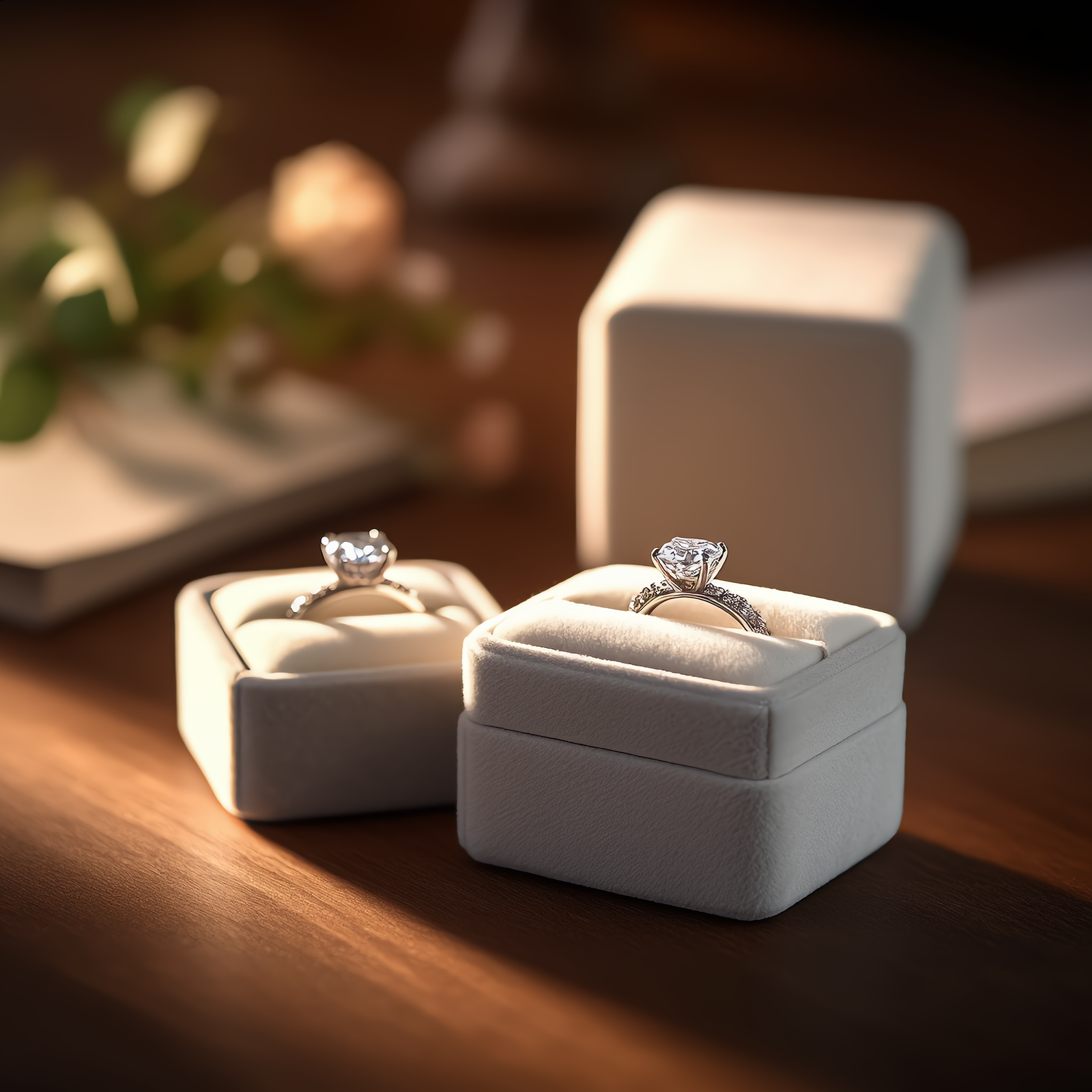
The fundamental difference between a promise ring and an engagement ring lies in their intended commitment level and timing. A promise ring symbolizes dedication and future intentions without the immediate expectation of marriage, while an engagement ring represents a formal proposal and commitment to wed.
According to recent jewelry industry data from 2024, promise rings typically cost between $100-$1,000, while engagement rings average $5,000-$7,500. This price difference reflects not just the materials used, but the weight of commitment each ring represents.
Promise rings serve multiple purposes:
- Pre-engagement commitment for couples not ready to marry
- Symbol of exclusivity and monogamy
- Religious or moral commitment representation
- Friendship or family bonds (non-romantic)
- Personal goal reminders
Engagement rings have a singular purpose:
- Formal marriage proposal
- Legal and social recognition of intent to marry
- Beginning of wedding planning phase
- Public declaration of upcoming nuptials
Why Choosing the Right Ring Matters More Than Ever
In 2024, relationship milestones have become more personalized than ever. A survey by The Knot found that 67% of couples now take longer to get engaged than previous generations, making promise rings increasingly relevant as relationship markers.
The emotional impact of ring choice includes:
- Setting clear expectations between partners
- Communicating relationship seriousness to family and friends
- Avoiding misunderstandings about future intentions
- Managing financial planning and relationship timelines
Making the wrong choice can lead to confusion, hurt feelings, and mismatched expectations. Understanding these differences helps couples make informed decisions that align with their relationship stage and future goals.
Deep Dive: Promise Ring Comprehensive Analysis
What Exactly Is a Promise Ring?
A promise ring is a piece of jewelry that symbolizes a commitment between two people, but unlike an engagement ring, it doesn't necessarily indicate an intention to marry. Promise rings represent various types of promises, from romantic exclusivity to friendship bonds, religious commitments, or personal goals.
The meaning behind a promise ring is entirely customizable based on the giver's and receiver's intentions. This flexibility makes promise rings suitable for diverse relationship types and stages.
Historical Evolution and Cultural Significance
Ancient Origins:
Promise rings trace back to ancient Roman "betrothal rings" made of iron, later evolving into gold bands. These early rings served as legal contracts more than romantic gestures.
Medieval Development:
During the Middle Ages, "posy rings" emerged—promise rings engraved with romantic poetry or meaningful phrases. Popular inscriptions included "Amor Vincit Omnia" (love conquers all) and "Tout Pour Vous" (all for you).
Modern Renaissance:
The contemporary promise ring gained popularity in the 1960s-70s as social norms around relationships relaxed. Today's promise rings reflect changing attitudes toward marriage timing and relationship progression.
Cultural Variations:
- Western cultures: Focus on romantic commitment and pre-engagement
- Eastern traditions: Emphasize family approval and gradual relationship building
- Religious communities: Often represent purity commitments or spiritual bonds
- Modern interpretations: Include friendship rings, self-love rings, and achievement symbols
When Are Promise Rings Appropriate?
Early Relationship Stages (6 months - 2 years):
Promise rings work well when couples feel serious about their relationship but aren't ready for engagement. They provide a meaningful way to express commitment without marriage pressure.
Long-Distance Relationships:
Geographic separation makes promise rings particularly meaningful as tangible reminders of commitment and future reunification plans.
Financial Constraints:
Young couples or those facing financial challenges can use promise rings to express love while saving for a more expensive engagement ring later.
Religious or Moral Commitments:
Many faith-based communities use promise rings to represent purity commitments, spiritual bonds, or religious vows.
Non-Traditional Relationships:
Promise rings accommodate various relationship structures, including:
- Polyamorous commitments
- Asexual romantic partnerships
- Commitment-focused relationships without marriage goals
- Friendship bonds and platonic commitments
Types of Promise Ring Commitments
- Pre-Engagement Promise:
The most common type, indicating future marriage intentions without formal engagement timing.
- Monogamy Promise:
Represents exclusive commitment in dating relationships.
- Friendship Promise:
Symbolizes lasting platonic bonds and mutual support.
- Self-Promise:
Personal commitment rings for goals, sobriety, or self-improvement.
- Family Promise:
Parent-child or sibling bonds, often representing support and love.
- Religious Promise:
Faith-based commitments, purity rings, or spiritual dedication.
Deep Dive: Engagement Ring Authoritative Guide
What Makes an Engagement Ring Different?
An engagement ring is specifically designed to accompany a marriage proposal. Unlike promise rings, engagement rings carry legal and social implications, representing a formal agreement to marry and beginning the engagement period.
Engagement rings follow established traditions and social expectations, making them less flexible in meaning but more universally understood across cultures.
Traditional Significance and Modern Evolution
Historical Foundation:
The first recorded diamond engagement ring was commissioned by Archduke Maximilian of Austria in 1477 for Mary of Burgundy. This established the precedent for diamond engagement rings among European nobility.
De Beers Impact:
The famous 1947 "A Diamond is Forever" campaign fundamentally shaped modern engagement ring expectations, making diamonds the standard center stone.
Contemporary Changes:
- Gender-neutral proposals: Both partners may now wear engagement rings
- Alternative stones: Sapphires, emeralds, and colored diamonds gain popularity
- Ethical considerations: Lab-grown diamonds and conflict-free sourcing become priorities
- Customization trends: Unique designs reflecting personal style over traditional solitaires
Legal and Social Implications
Legal Considerations:
In most jurisdictions, engagement rings are considered conditional gifts. If the engagement is broken, legal precedent varies by state/country regarding ring ownership.
Social Expectations:
Engagement rings carry significant social weight:
- Public declaration of upcoming marriage
- Family and friend recognition of relationship milestone
- Beginning of wedding planning phase
- Shift in social status and expectations
Professional Implications:
Some careers and social circles have unwritten expectations about engagement ring characteristics, affecting professional relationships and social acceptance.
Proposal Culture and Modern Ceremonies
Traditional Elements:
- Down-on-one-knee presentation
- Surprise timing and location
- Formal "Will you marry me?" question
- Ring presentation in special box
- Celebration announcement to family/friends
Modern Innovations:
- Mutual proposals: Both partners propose to each other
- Experience proposals: Integrated with travel, hobbies, or shared interests
- Public proposals: Social media-friendly grand gestures
- Intimate proposals: Private, personal moments without external pressure
- Collaborative selection: Shopping for rings together before the proposal
Cultural Adaptations:
Different cultures have unique engagement customs:
- Western traditions: Individual proposal with diamond ring
- Indian customs: Family involvement and multiple ceremonial rings
- Chinese practices: Tea ceremony and ancestral blessing elements
- Jewish traditions: Simple bands representing spiritual commitment
Core Difference Comparison Analysis
Price and Value Investment Analysis
Promise Ring Price Ranges:
- Budget-friendly: $100-$300 (sterling silver, small stones)
- Mid-range: $300-$700 (14k gold, quality gemstones)
- Premium: $700-$1,500 (18k gold, diamonds, designer brands)
Engagement Ring Price Ranges:
- Budget-conscious: $1,000-$3,000 (smaller diamonds, alternative stones)
- Traditional: $3,000-$7,500 (1-carat diamond, quality setting)
- Luxury: $7,500-$15,000+ (premium diamonds, designer settings)
Cost-Benefit Analysis:
|
Factor |
Promise Ring |
Engagement Ring |
|
Initial Investment |
Low-Medium |
High |
|
Emotional Value |
High |
Very High |
|
Social Recognition |
Variable |
Universal |
|
Upgrade Potential |
High |
Low |
|
Insurance Need |
Rarely |
Usually |
|
Resale Value |
Limited |
Moderate |
Financial Planning Considerations:
- Promise rings allow couples to express commitment while saving for engagement
- Engagement ring purchases should align with overall wedding budget
- Consider insurance costs for engagement rings over $2,000
- Factor in potential wedding ring costs when budgeting
Design and Aesthetic Differences
Promise Ring Design Characteristics:
- Simpler settings: Less elaborate metalwork and stone arrangements
- Smaller stones: Usually under 0.5 carats if diamonds are used
- Alternative materials: More variety in metals and stone types
- Symbolic elements: Hearts, infinity symbols, engraved messages
- Versatile styles: Designed for daily wear and various occasions
Engagement Ring Design Elements:
- Prominent center stone: Usually 0.5-2+ carats as focal point
- Elaborate settings: Halos, pave, three-stone arrangements
- Premium materials: Platinum, 18k gold, high-grade diamonds
- Classic styles: Solitaire, vintage-inspired, modern minimalist
- Durability focus: Built to withstand daily wear for lifetime
Visual Comparison Table:
|
Design Element |
Promise Ring |
Engagement Ring |
|
Center Stone Size |
0.1-0.5 carats |
0.5-2+ carats |
|
Setting Complexity |
Simple |
Elaborate |
|
Band Width |
Thinner (1-3mm) |
Wider (1.5-4mm) |
|
Metal Options |
All types |
Premium focus |
|
Customization |
High variety |
Traditional styles |

Symbolic Meaning and Emotional Weight
Promise Ring Symbolism:
- Flexible commitment: Meaning defined by the couple
- Future potential: Represents possibilities rather than certainties
- Personal expression: Reflects individual relationship dynamics
- Growth symbol: Acknowledges relationship development
- Versatile meaning: Can represent various types of promises
Engagement Ring Symbolism:
- Formal commitment: Universally understood marriage intention
- Public declaration: Social announcement of upcoming wedding
- Legal implication: Begins official engagement period
- Family integration: Connects extended families and social circles
- Traditional weight: Carries centuries of cultural significance
Psychological Impact Analysis:
Research shows that engagement rings create stronger emotional attachment due to:
- Higher financial investment increasing perceived value
- Social recognition reinforcing commitment
- Traditional expectations creating accountability
- Family involvement adding external support
- Legal implications increasing seriousness
Wearing Customs and Social Signals
Promise Ring Wearing Guidelines:
- Finger flexibility: Any finger acceptable, commonly right ring finger
- Occasion versatility: Suitable for daily wear and special events
- Transition planning: Often moved when engagement ring received
- Style coordination: Should complement overall jewelry style
- Personal comfort: Priority on wearer's preference over tradition
Engagement Ring Wearing Traditions:
- Left ring finger: Universal Western tradition
- Constant wear: Expected to be worn daily until wedding
- Social signaling: Immediately communicates relationship status
- Wedding coordination: Must complement future wedding band
- Cultural respect: Should align with cultural expectations
For couples considering their options, understanding the nuances between engagement vs wedding rings can provide additional clarity on how these jewelry pieces fit into the broader context of relationship milestones.
Personalized Selection Guide
Selection Based on Relationship Stage
New Relationships (0-12 months):
Recommendation: Promise ring or wait
- Focus on simple, meaningful designs
- Avoid expensive investments until relationship stability
- Consider birthstone or favorite gemstone alternatives
- Emphasize personal meaning over social recognition
Developing Relationships (1-3 years):
Recommendation: Promise ring as milestone marker
- Invest in quality materials that last
- Choose designs that reflect shared experiences
- Consider upgrade potential for future engagement
- Balance personal style with partner preferences
Established Relationships (3+ years):
Recommendation: Engagement ring if marriage intended
- Invest in traditional, lasting designs
- Consider long-term style preferences
- Factor in wedding ring coordination
- Plan for family and social expectations
Selection Based on Life Circumstances
Age and Life Stage Considerations:
- Early 20s: Promise rings offer flexibility for changing life goals
- Mid-20s to 30s: Engagement rings align with typical marriage timing
- 30s and beyond: Either option valid based on relationship goals
- Second relationships: Personal preference over social expectations
Career and Financial Status:
- Students: Budget-friendly promise rings with upgrade potential
- Early career: Promise rings while building financial stability
- Established professionals: Engagement rings appropriate for serious commitment
- Dual-career couples: Joint decision based on shared financial goals
Cultural and Family Background:
- Traditional families: Engagement rings for social acceptance
- Progressive families: Either option based on personal preference
- Religious communities: Consider faith-based ring traditions
- Multicultural relationships: Balance different cultural expectations
Selection Based on Partner Characteristics
Personality-Based Matching:
- Traditional personalities: Classic engagement ring designs
- Creative types: Unique promise rings with artistic elements
- Practical individuals: Focus on durability and daily wearability
- Sentimental partners: Emphasize meaningful symbols and engravings
Lifestyle Considerations:
- Active lifestyles: Durable settings and secure stone mounting
- Professional requirements: Subtle designs appropriate for work
- Fashion-forward: Trendy designs that complement personal style
- Minimalist preferences: Simple, elegant designs without excessive detail
Communication Style Assessment:
- Direct communicators: Discuss ring preferences openly
- Hint-givers: Pay attention to subtle preferences and suggestions
- Surprise-lovers: Plan meaningful presentation regardless of ring type
- Collaborative decision-makers: Shop together for perfect match
For couples ready to take the next step, our comprehensive couple rings buying guide provides detailed insights into selecting the perfect symbol of your commitment together.
Practical Purchasing Guide
Promise Ring Selection Essentials
Material Priority Guide:
- Sterling Silver: Affordable, versatile, requires regular maintenance
- 14k Gold: Durable, classic, good value for daily wear
- 18k Gold: Premium quality, richer color, higher investment
- Platinum: Most durable, hypoallergenic, luxury option
- Alternative metals: Titanium, tungsten for unique preferences
Design Style Categories:
- Classic bands: Simple, timeless designs for universal appeal
- Gemstone accent: Small diamonds or colored stones for sparkle
- Symbolic designs: Hearts, infinity symbols, meaningful shapes
- Vintage-inspired: Romantic, ornate details for classic taste
- Modern minimalist: Clean lines, contemporary aesthetics
Budget Optimization Strategies:
- Alternative stones: Cubic zirconia, moissanite for diamond look
- Smaller carat weights: 25-0.5 carats for significant savings
- Simple settings: Fewer prongs and details reduce costs
- Online retailers: Often 20-30% less than brick-and-mortar stores
- Timing purchases: Holiday sales and end-of-year clearances
When selecting a promise ring, it's essential to understand what to look for when buying a promise ring, including factors like material quality, sizing, and design durability that will ensure your ring stands the test of time.
Engagement Ring Selection Expertise
The 4Cs Diamond Guide:
- Cut: Most important factor affecting brilliance and sparkle
- Color: D-F colorless, G-J near-colorless for best value
- Clarity: VS1-VS2 offers quality without visible inclusions
- Carat: Balance size with other factors for optimal beauty
Setting Style Selection:
- Solitaire: Classic, focuses attention on center stone
- Halo: Makes center stone appear larger with surrounding diamonds
- Three-stone: Represents past, present, future
- Vintage: Ornate details and antique-inspired elements
- Modern: Clean lines and contemporary aesthetics
Certification and Quality Assurance:
- GIA certification: Gold standard for diamond grading
- AGS certification: Alternative respected grading authority
- Retailer reputation: Research reviews and return policies
- Warranty coverage: Understand cleaning, repair, and replacement terms
- Insurance requirements: Appraisal documentation for coverage
Purchasing Channels and Timing
Online vs. Brick-and-Mortar Analysis:
|
Factor |
Online |
Physical Store |
|
Price |
20-30% lower |
Higher overhead costs |
|
Selection |
Unlimited inventory |
Limited display stock |
|
Expertise |
Virtual consultations |
In-person guidance |
|
Experience |
Convenient shopping |
Hands-on examination |
|
Return Policy |
30-60 days typical |
Immediate exchange |
Optimal Purchase Timing:
- Holiday seasons: Black Friday, Valentine's Day sales
- End of fiscal year: January clearance events
- Quarterly inventory: March, June, September, December
- Off-peak months: Avoid December, February, May wedding seasons
- Economic factors: Monitor precious metal and diamond markets
Negotiation Strategies:
- Price matching: Use competitor pricing for leverage
- Bundle deals: Combine purchase with warranty or services
- Cash payments: Some retailers offer cash discounts
- Trade-in programs: Upgrade from promise to engagement ring
- Timing leverage: End of month/quarter sales pressure
For those ready to make a purchase, explore our curated collection when you shop promise rings or browse our selection to shop engagement rings, where you'll find quality pieces that match your style and budget.
Cultural and Social Considerations
Global Cultural Variations
Western Traditions:
In North American and European cultures, engagement rings dominate as marriage symbols.The left ring finger placement stems from ancient Roman belief in the "vena amoris" (vein of love) connecting directly to the heart.Promise rings serve as stepping stones in these cultures, particularly among younger generations.
Eastern Cultural Perspectives:
Asian cultures traditionally emphasize family involvement in relationship milestones.In Chinese culture, engagement involves tea ceremonies and family approval, making promise rings less common but increasingly accepted among younger generations.Japanese culture embraces both promise rings and engagement rings, with unique cultural adaptations.
Religious Considerations:
- Christian communities: Promise rings often represent purity commitments
- Islamic traditions: Focus on family approval and religious ceremonies
- Jewish customs: Simple bands representing spiritual commitment
- Hindu practices: Multiple ceremonial rings for different life stages
Generational Attitude Shifts
Millennials vs. Gen Z Preferences:
Recent surveys show significant generational differences:
- Millennials: 73% prefer traditional engagement rings
- Gen Z: 58% open to alternative commitment symbols
- Financial priorities: Younger generations prioritize experiences over expensive rings
- Social media influence: Instagram-worthy moments drive ring choices
Changing Marriage Timelines:
- Average engagement age: Now 27 for women, 29 for men
- Longer dating periods: 9 years average before engagement
- Career prioritization: Professional establishment before marriage
- Economic factors: Student debt and housing costs delay major purchases
Gender Equality and Modern Relationships
Evolving Proposal Dynamics:
- Women proposing: 15% increase in female-initiated proposals
- Mutual proposals: Both partners propose to each other
- Ring sharing: Both partners wear engagement rings
- Budget sharing: Joint financial responsibility for ring purchase
LGBTQ+ Considerations:
- No traditional rules: Greater freedom in ring choice and customs
- Personal meaning: Emphasis on individual relationship significance
- Legal recognition: Rings gain importance with marriage equality
- Cultural acceptance: Increasing social support for diverse relationship expressions
Non-Traditional Relationship Models:
- Polyamorous commitments: Multiple promise rings or unique arrangements
- Asexual partnerships: Emphasis on emotional commitment over physical
- Long-distance relationships: Rings as tangible connection symbols
- Childfree couples: Different relationship milestone priorities
Understanding what are promise rings for couples helps navigate these cultural nuances and make informed decisions that respect both personal values and cultural contexts.
Care and Upgrade Guidelines
Daily Care and Maintenance
Cleaning and Maintenance:
- Daily cleaning: Gentle soap and warm water for regular maintenance
- Professional cleaning: Quarterly professional cleaning and inspection
- Storage solutions: Separate compartments prevent scratching
- Activity restrictions: Remove during cleaning, exercising, swimming
Insurance and Protection:
- Coverage thresholds: Insure engagement rings over $2,000
- Documentation requirements: Professional appraisals for insurance
- Regular updates: Re-appraise every 3-5 years for accurate coverage
- Claim procedures: Understand replacement vs. repair coverage
Upgrade Path Planning
Promise to Engagement Transition:
- Timing considerations: Natural relationship progression milestones
- Ring integration: Incorporate promise ring stones into engagement setting
- Trade-in programs: Many retailers offer upgrade credits
- Sentimental value: Preserve original promise ring for special occasions
Engagement to Wedding Coordination:
- Style matching: Ensure engagement and wedding rings complement
- Professional consultation: Jeweler guidance for perfect fit
- Custom modifications: Adjust engagement ring for wedding band fit
- Set coordination: Consider purchasing as matched bridal set
Long-term Relationship Evolution:
- Anniversary upgrades: Milestone celebrations with enhanced rings
- Stone replacement: Upgrade to larger or higher quality diamonds
- Setting modernization: Update vintage rings with contemporary styles
- Family heirloom creation: Transform rings into family treasures
Common Questions and Misconceptions
Frequently Asked Questions
Q: How long should you date before giving a promise ring?
A: There's no universal timeline, but most couples exchange promise rings between 6 months to 2 years of dating.The key is ensuring both partners understand the ring's meaning and feel comfortable with the commitment level it represents.
Q: Can you wear a promise ring and engagement ring simultaneously?
A: Yes, many people wear both rings on different fingers or hands.Common arrangements include wearing the promise ring on the right hand after receiving an engagement ring, or incorporating the promise ring into a ring stack.
Q: What's an appropriate budget for a promise ring?
A: Promise rings typically range from $100-$1,000, with most falling between $200-$500.The budget should reflect your financial situation and the ring's personal significance rather than external expectations.
Q: Do promise rings have to have diamonds?
A: No, promise rings can feature any gemstone or no stones at all.Popular alternatives include birthstones, colored gemstones, or simple metal bands with meaningful engravings.
Q: Should promise rings be a surprise or discussed beforehand?
A: Either approach works, but discussing expectations helps avoid misunderstandings.Many couples benefit from conversations about relationship goals and timeline before ring exchange.
Common Misconceptions Debunked
Misconception: Promise rings are just "cheap engagement rings"
Reality: Promise rings serve different purposes and commitment levels. They're not inferior engagement rings but distinct symbols with their own meaning and value.
Misconception: You must spend three months' salary on an engagement ring
Reality: This "rule" originated from a 1930s De Beers marketing campaign. Modern couples should budget based on their financial situation and priorities, not arbitrary guidelines.
Misconception: Promise rings always lead to engagement
Reality: While many promise rings precede engagement, others represent different commitments like friendship, personal goals, or religious promises. Not all promise rings are romantic stepping stones.
Misconception: Men don't wear promise or engagement rings
Reality: Increasingly, men wear both types of rings. Cultural shifts toward gender equality have normalized ring-wearing for all genders in committed relationships.
Misconception: Engagement rings must be diamonds
Reality: While diamonds remain popular, many couples choose alternative gemstones like sapphires, emeralds, or moissanite for personal, ethical, or financial reasons.
Misconception: Online ring purchases are risky
Reality: Reputable online retailers often offer better prices, generous return policies, and certification guarantees. Many provide virtual consultations and detailed imagery for informed decisions.
Avoiding Common Pitfalls
Communication Failures:
- Assumption problems: Don't assume your partner shares your ring expectations
- Timeline mismatches: Discuss relationship goals and timelines openly
- Financial stress: Set realistic budgets that don't create financial strain
- Family pressure: Balance external expectations with personal preferences
Practical Mistakes:
- Size errors: Get professional sizing for accuracy
- Style mismatches: Consider your partner's lifestyle and preferences
- Quality compromises: Invest in durable materials for daily wear
- Insurance negligence: Protect valuable rings with appropriate coverage
For comprehensive guidance on making the right choice, consult our detailed promise rings buying guide or explore our engagement ring buying guide for expert recommendations tailored to your specific needs.
Expert Insights and Future Trends
Industry Expert Perspectives
Jewelry Designer Insights:
Leading jewelry designers report increasing demand for personalized, meaningful pieces."Couples want rings that tell their unique story, not just follow traditional templates,"says Sarah Chen, award-winning jewelry designer.Custom engravings, unique stone combinations, and alternative materials are becoming standard requests.
Relationship Counselor Observations:
Licensed marriage and family therapist Dr. Maria Rodriguez notes: "Ring choice reflects deeper relationship dynamics. Couples who openly discuss their ring preferences tend to have stronger communication patterns overall."Her research indicates that collaborative ring selection correlates with higher relationship satisfaction.
Gemologist Recommendations:
Certified gemologist James Mitchell emphasizes: "Quality matters more than size. A well-cut 0.5-carat diamond will outshine a poorly cut 1-carat stone."His advice for modern couples: "Focus on the 4Cs and certification rather than carat weight alone."
Emerging Trends and Future Directions
Sustainability Movement:
- Lab-grown diamonds: 30% annual growth in adoption
- Recycled metals: Increasing demand for eco-friendly options
- Ethical sourcing: Transparency in supply chain becomes standard
- Vintage resurgence: Antique and estate jewelry gaining popularity
Technology Integration:
- AR try-on: Virtual reality ring fitting experiences
- Blockchain certification: Immutable diamond authentication
- 3D printing: Custom ring design and rapid prototyping
- Digital warranties: QR codes linking to certification and care instructions
Personalization Revolution:
- Bespoke designs: Custom creation becomes more accessible
- Meaningful elements: Incorporation of personal artifacts and memories
- Cultural fusion: Blending traditional and modern elements
- Gender-neutral options: Inclusive designs for all relationship types
Economic Adaptations:
- Flexible payment: Ring financing and subscription models
- Upgrade programs: Lifetime trade-in and enhancement services
- Investment tracking: Rings as alternative investment vehicles
- Insurance innovation: Comprehensive coverage for changing lifestyles
Conclusion and Decision Framework
Key Takeaways Summary
Essential Differences:
- Promise ringssymbolize commitment without marriage timelines
- Engagement ringsrepresent formal marriage proposals and intentions
- Price rangesvary significantly: $100-$1,000 vs. $3,000-$10,000+
- Design complexitydiffers: simple vs. elaborate with prominent center stones
- Social recognitionvaries: flexible interpretation vs. universal understanding
Decision Framework:
- Assess your relationship stageand future intentions
- Evaluate your budgetand financial priorities
- Consider your partner's expectationsand preferences
- Factor in cultural and family influences
- Plan for potential future transitionsand upgrades
Next Steps Action Plan
For Promise Ring Consideration:
- Discuss relationship goals and timeline with your partner
- Research styles that match your partner's preferences
- Set a comfortable budget that doesn't create financial stress
- Consider the ring's meaning and how you'll present it
For Engagement Ring Planning:
- Confirm marriage intentions and timing with your partner
- Research the 4Cs and certification requirements
- Set a realistic budget including insurance costs
- Plan a meaningful proposal that reflects your relationship
For Either Choice:
- Prioritize communication over surprise elements
- Focus on personal meaning rather than social expectations
- Consider long-term durability and lifestyle factors
- Remember that the ring represents your commitment, not defines it
The choice between a promise ring and engagement ring should align with your relationship's current stage and future goals. Whether you choose a simple promise ring or an elaborate engagement ring, the most important element is the love and commitment it represents.
Your ring choice is a personal decision that should reflect your unique relationship journey, financial situation, and shared values. Take time to make an informed choice that both partners will treasure for years to come.


Leave a comment