

Wedding Band vs Wedding Ring: The Definitive 2025 Guide

Are Wedding Bands and Wedding Rings Actually Different?
Wedding bands and wedding rings are largely the same thing in modern usage, but subtle distinctions exist. A wedding band traditionally refers to a simple, unadorned metal circle, while a wedding ring typically features decorative elements like diamonds or gemstones. However, contemporary jewelers and consumers use these terms interchangeably, with regional preferences influencing which term is more common.
The confusion between these terms has persisted because the jewelry industry has evolved significantly over the past century. What once represented clear categories—plain bands versus ornate rings—has become a spectrum of styles that blur traditional boundaries.
Why This Distinction Matters:
- Pricing implications: Understanding terminology can help set realistic budget expectations
- Communication clarity: Knowing the difference helps when discussing preferences with jewelers
- Cultural awareness: Different regions and generations have varying term preferences
- Historical context: Understanding evolution helps make informed purchasing decisions
The Evolution of Wedding Jewelry Terminology
Ancient civilizations used simple metal bands to symbolize eternal commitment, with the circular shape representing unending love. The ancient Egyptians are credited with creating the first wedding rings around 4,800 years ago, using materials like hemp, reed, and later, precious metals.
The distinction between "band" and "ring" emerged during the Victorian era (1837-1901), when jewelry became more elaborate and decorative. During this period, "wedding ring" began referring to ornate pieces with gemstones, while "wedding band" described simpler, unadorned circles.
Modern terminology varies by region: Americans slightly prefer "wedding band" (55% vs. 45%), while British consumers traditionally favor "wedding ring" (65% vs. 35%). This regional variation reflects cultural differences in jewelry preferences and marketing approaches.
What Exactly Is a Wedding Band?
A wedding band is a simple, continuous circle of metal symbolizing eternal commitment, typically without stones or elaborate decorative elements. This traditional form represents the purest expression of matrimonial jewelry, emphasizing the symbolic power of the unbroken circle over ornamentation.
Wedding bands embody minimalist elegance, focusing on material quality and craftsmanship rather than decorative elements. They're designed to be comfortable for daily wear and durable enough to withstand decades of use while maintaining their symbolic significance.
Core Characteristics of Wedding Bands
Wedding bands share several defining features:
- Continuous metal construction: Unbroken circle symbolizing eternal commitment
- Minimal ornamentation: Emphasis on material quality over decoration
- Comfort-focused design: Optimized for daily wear and active lifestyles
- Timeless aesthetics: Styles that remain classic across generations
- Versatile compatibility: Designed to complement engagement rings or stand alone
The width of wedding bands varies significantly by preference and tradition:
- Women's bands: Typically 2-4mm wide for elegant proportions
- Men's bands: Usually 6-8mm wide for masculine appearance
- Unisex options: 4-6mm provides middle ground for couples preferring matching bands
- Statement bands: 8mm+ for those wanting bold, prominent designs
Traditional Wedding Band Styles
Classic wedding band variations include:
Plain Bands: Smooth, polished metal surfaces offering timeless elegance and maximum comfort. These represent the most traditional choice, with seamless construction and mirror-like finishes that reflect light beautifully.
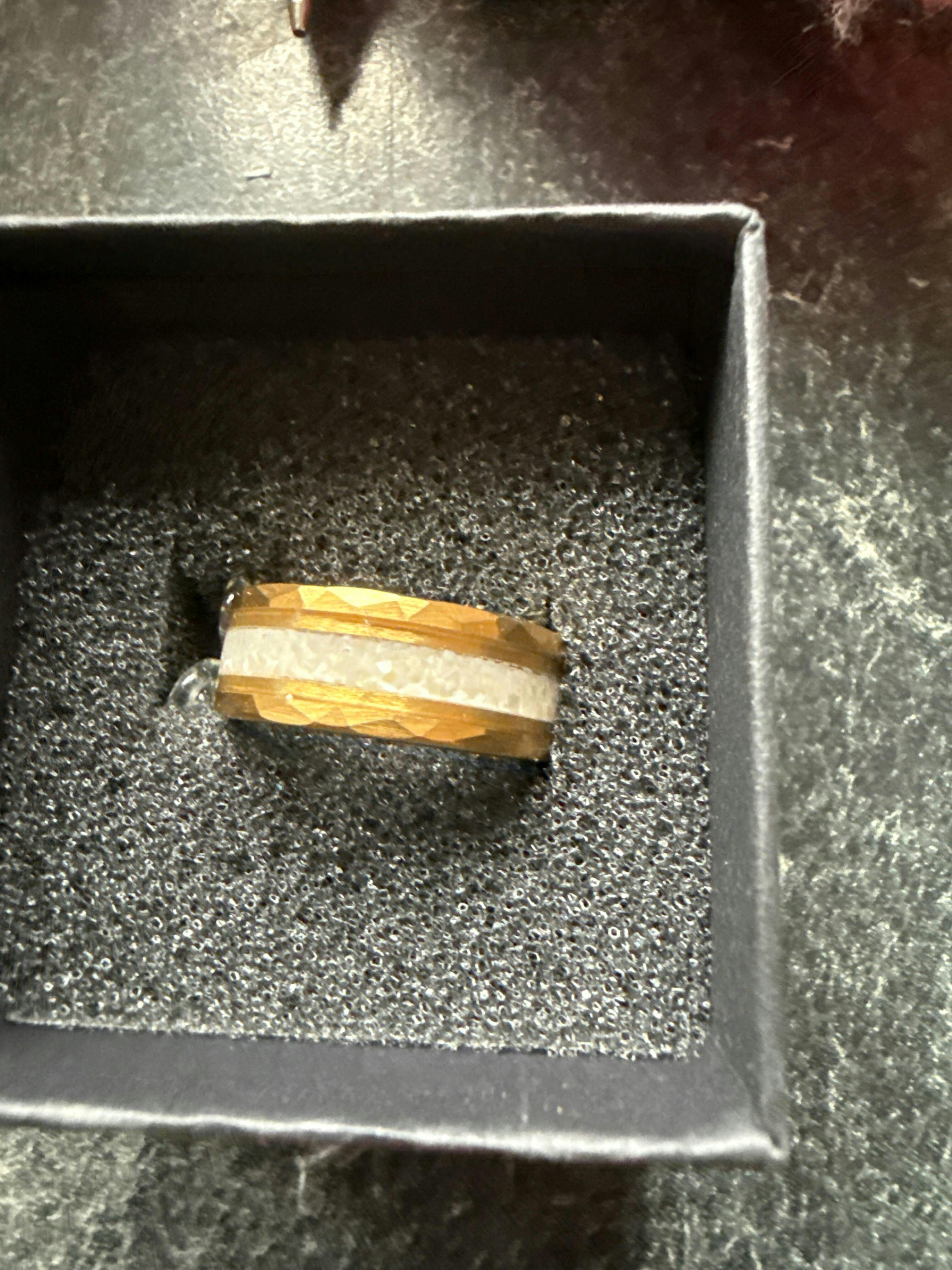
Textured Bands: Feature brushed, hammered, or matte finishes that add visual interest while maintaining simplicity. Popular textures include satin finish, which provides subtle sheen, and hammered surfaces that create organic, artisanal appearance.
Comfort-Fit Bands: Designed with slightly domed interior surfaces that reduce contact area with the finger, improving comfort during extended wear. This modern innovation addresses the practical needs of people who work with their hands.
Milgrain Bands: Incorporate tiny beaded edges that create vintage-inspired detailing without adding stones. This technique, popular in Art Deco jewelry, adds textural interest while maintaining the band's essential simplicity.
Material Options for Wedding Bands
Precious metals remain the most popular choice for wedding bands:
Gold Varieties offer different aesthetic and practical benefits:
- Yellow gold: Traditional warmth with classic appeal, available in 14K (58.3% gold) and 18K (75% gold) purities
- White gold: Modern cool tone created by alloying gold with white metals like palladium or nickel
- Rose gold: Romantic warm tone achieved by adding copper to gold alloys, increasingly popular among younger couples
Platinum represents the premium choice for wedding bands, offering superior durability, natural white color, and hypoallergenic properties. Platinum bands develop a subtle patina over time that many couples find appealing.
Alternative materials provide modern options for contemporary couples:
- Titanium: Lightweight, hypoallergenic, and extremely durable with modern industrial appeal
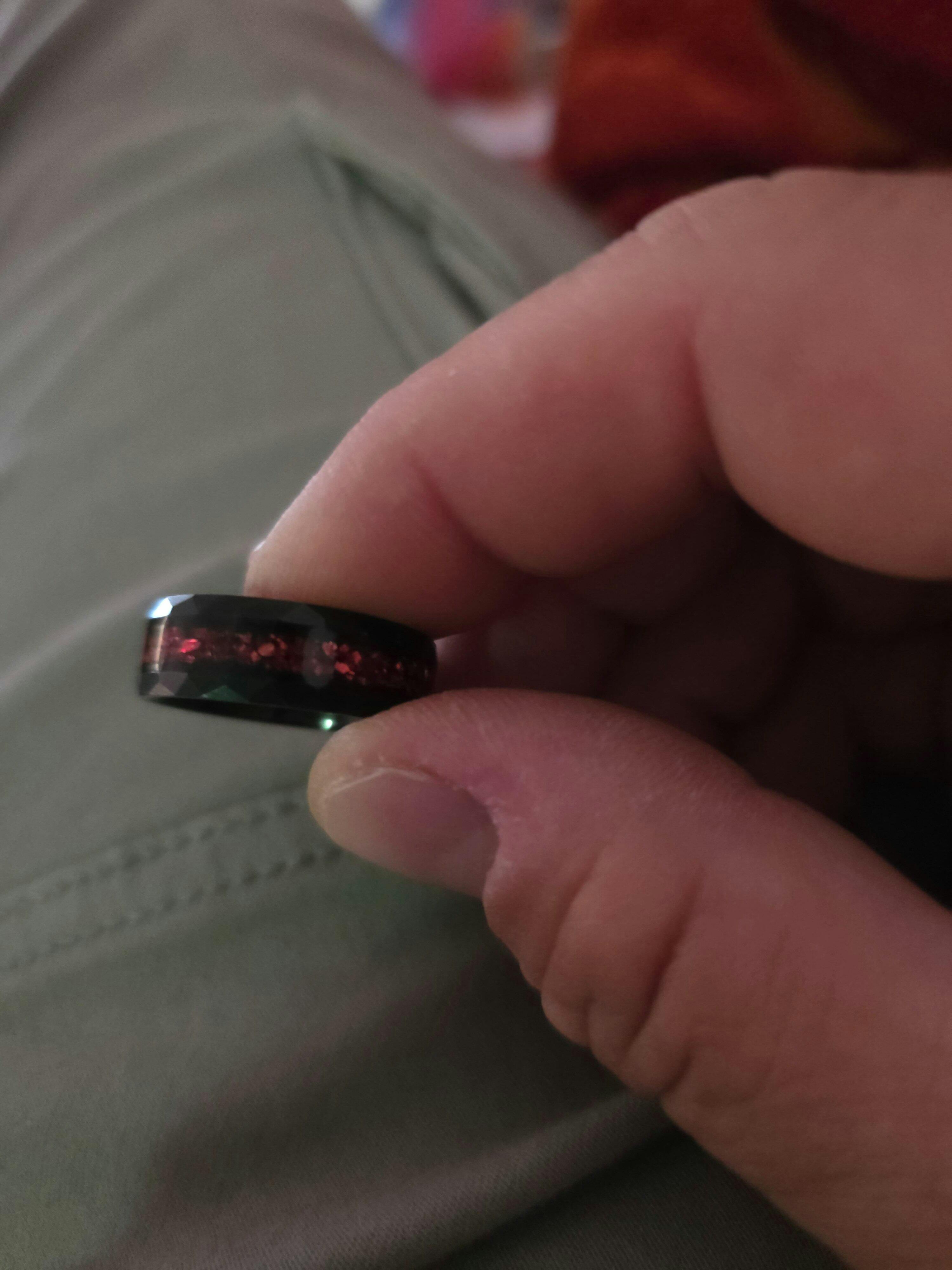
- Tungsten carbide: Scratch-resistant and heavy like gold, with contemporary gray appearance
- Ceramic: Available in various colors, lightweight, and affordable, though less durable than metals
- Stainless steel: Budget-friendly option with excellent durability and corrosion resistance
For couples interested in exploring these traditional options, you can shop wedding bands to find styles that match your preferences and budget.
What Defines a Wedding Ring?
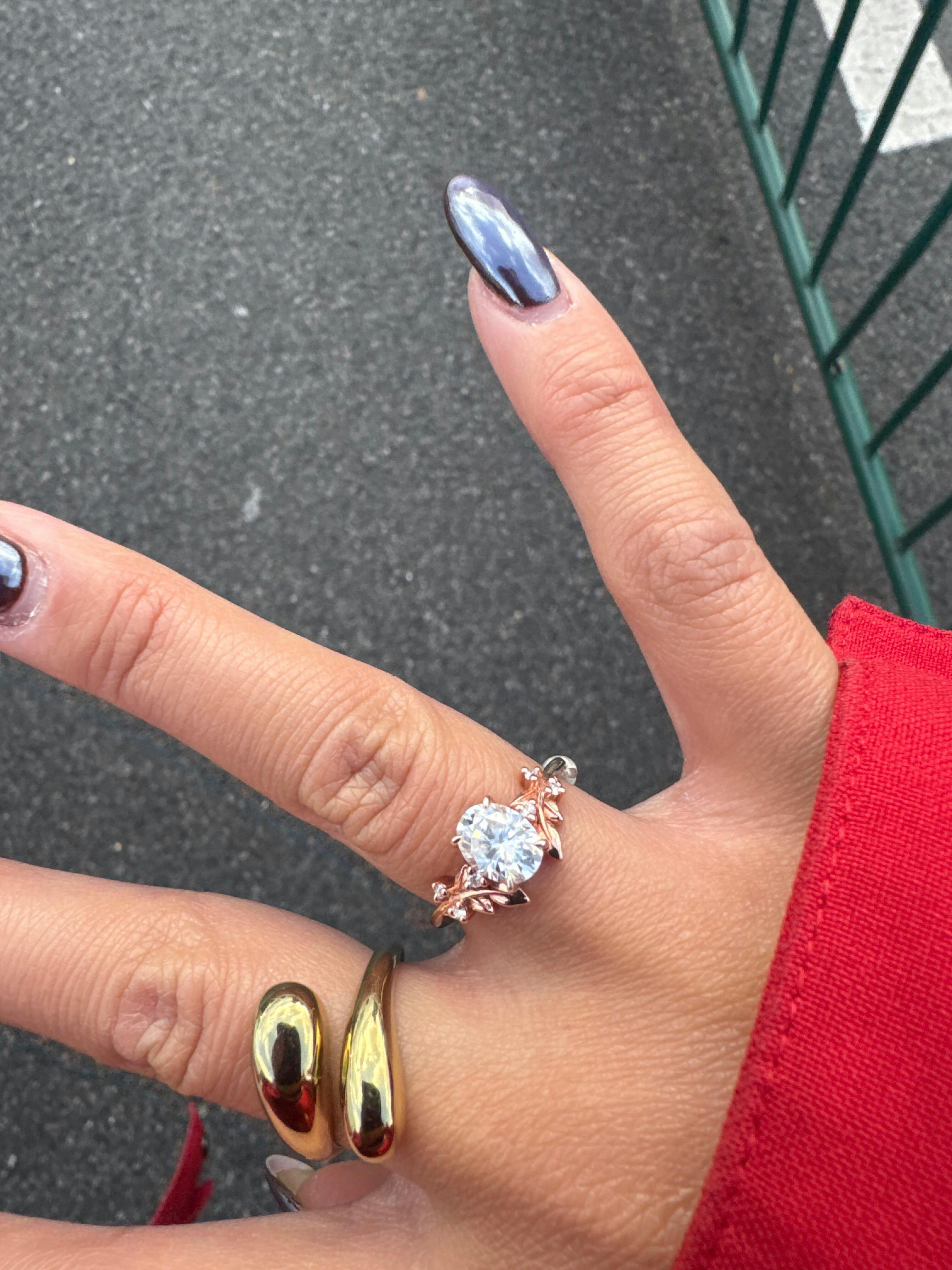
A wedding ring traditionally features decorative elements, gemstones, or intricate designs that elevate it beyond a simple band. These embellishments create a more ornate symbol of matrimonial commitment, often incorporating diamonds, colored gemstones, or artistic metalwork.
Wedding rings represent the intersection of symbolism and artistry, combining the eternal circle's meaning with decorative elements that reflect personal style and cultural traditions. They're designed to be noticed and admired, serving both as symbols of commitment and expressions of individual taste.
Distinguishing Features of Wedding Rings
Wedding rings are characterized by:
- Decorative elements: Gemstones, engravings, or sculptural details that add visual interest
- Dimensional design: Stones or decorations create height and texture above the band
- Artistic complexity: Intricate settings, patterns, or arrangements requiring skilled craftsmanship
- Light interaction: Faceted stones and textured surfaces create sparkle and visual movement
- Personal expression: Designs that reflect individual style and preferences
The profile height of wedding rings typically ranges from 3-8mm, significantly higher than simple bands. This additional height accommodates stone settings and decorative elements while creating a more prominent appearance on the finger.
Wedding Ring Design Categories
Stone-Set Wedding Rings represent the most popular category:
Eternity Rings: Feature a continuous line of identically sized stones around the entire band circumference. Full eternity rings offer maximum sparkle but are difficult to resize, while half-eternity rings provide stones across the top portion only.
Channel-Set Rings: Stones are set flush within grooves in the metal band, creating smooth surfaces ideal for active lifestyles. This setting protects stones from damage while maintaining a sleek appearance.
Pavé Rings: Feature small diamonds set closely together with minimal metal showing, creating a "paved" appearance. This technique maximizes sparkle while maintaining relatively low profile.
Three-Stone Rings: Incorporate three prominent stones representing past, present, and future. This symbolic design often features graduated stone sizes or identical stones for balanced appearance.
Decorative Non-Stone Wedding Rings offer ornamentation without gemstones:
Engraved Rings: Feature hand-carved or machine-etched patterns ranging from simple geometric designs to elaborate floral motifs. Modern laser engraving enables intricate personalization including fingerprints, signatures, or custom artwork.
Filigree Rings: Showcase delicate metalwork creating lace-like patterns through twisted wire and granulation techniques. This ancient art form adds vintage charm and artistic value.
Mixed-Texture Rings: Combine different surface treatments like polished and brushed finishes, creating visual contrast and tactile interest without adding stones.
Wedding Ring vs. Engagement Ring Coordination
Successful coordination requires careful consideration of multiple factors:
Metal Compatibility: Matching or complementary metals prevent galvanic corrosion and create cohesive appearance. White metals (platinum, white gold) coordinate well together, while yellow and rose gold create warm combinations.
Proportional Balance: Wedding rings should complement rather than compete with engagement rings. Large engagement rings pair well with simpler wedding rings, while modest engagement rings can accommodate more elaborate wedding rings.
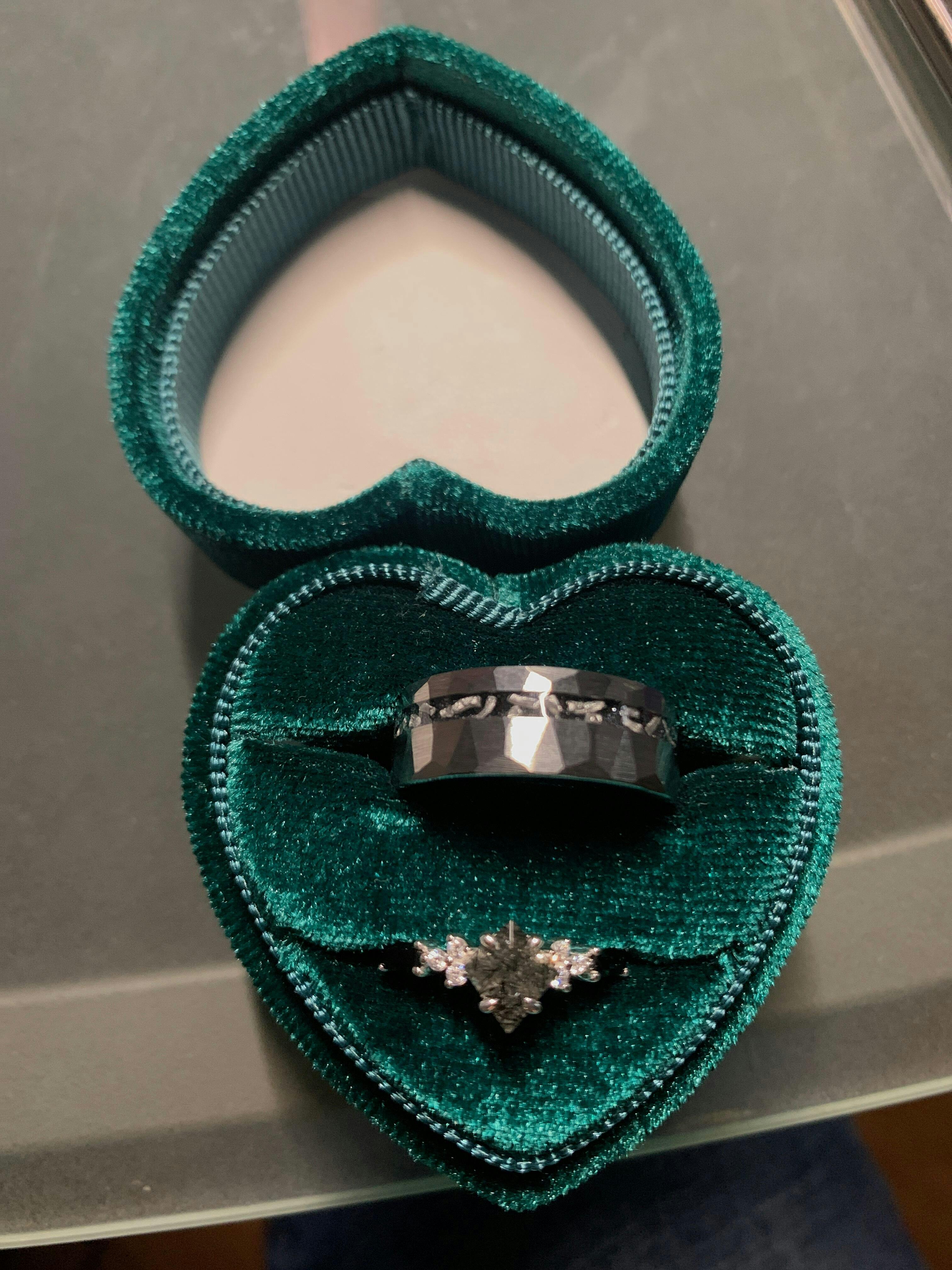
Practical Wearability: Rings worn together must fit comfortably without pinching or creating pressure points. Many couples choose curved wedding rings designed to nestle against engagement ring settings.
Style Harmony: Vintage engagement rings coordinate best with period-appropriate wedding rings, while modern settings pair well with contemporary designs. Mixing styles requires careful consideration of overall aesthetic.
Understanding the relationship between these different ring types is crucial for making informed decisions. For detailed guidance on how these pieces work together, explore our comprehensive guide on engagement vs wedding rings to understand the complete jewelry timeline from proposal to marriage.
Key Differences: Wedding Band vs Wedding Ring Analysis
The primary distinction lies in complexity and ornamentation. Wedding bands emphasize simplicity and symbolic purity, while wedding rings incorporate decorative elements that add visual interest and personal expression. This fundamental difference affects every aspect from pricing to maintenance requirements.
Modern usage has blurred these traditional distinctions, with many pieces combining elements of both categories. The jewelry industry now offers a spectrum of options ranging from completely plain bands to heavily decorated rings, making the terminology more fluid than historical definitions suggest.
Design Philosophy Comparison
Wedding Band Philosophy centers on minimalist principles:
- Symbolic primacy: The unbroken circle serves as the primary symbol
- Timeless appeal: Simple designs that won't become dated
- Comfort focus: Prioritizing wearability for daily use
- Versatile integration: Designed to complement rather than compete
- Material emphasis: Quality metals and craftsmanship over ornamentation
Wedding Ring Philosophy emphasizes decorative expression:
- Artistic value: Craftsmanship in stone setting and metalwork
- Personal statement: Reflecting individual style and preferences
- Visual impact: Designed to be noticed and admired
- Symbolic complexity: Multiple elements representing different meanings
- Investment mentality: Often viewed as heirloom-quality pieces
Structural and Aesthetic Differences
|
Characteristic |
Wedding Band |
Wedding Ring |
|
Profile Height |
1-3mm |
3-8mm |
|
Surface Texture |
Smooth/minimal |
Varied/complex |
|
Stone Setting |
Rare |
Common |
|
Weight |
Lighter |
Heavier |
|
Maintenance |
Minimal |
Regular |
|
Sizing Difficulty |
Easy |
Moderate-Difficult |
|
Daily Durability |
Excellent |
Good-Variable |
Visual Impact Analysis reveals significant differences:
- Subtlety vs. Statement: Bands provide understated elegance, while rings make bold declarations
- Light Interaction: Bands reflect uniformly, rings create sparkle and shadow patterns
- Finger Proportion: Bands maintain hand elegance, rings can dominate finger appearance
- Styling Versatility: Bands complement any outfit, rings require coordination consideration
Cost Implications and Value Analysis
Price Range Comparison (2025 market data):
- Wedding bands: $200-$2,000 for precious metals, $50-$500 for alternative materials
- Wedding rings: $800-$5,000+ depending on stone quality and setting complexity
- Luxury options: $2,000-$15,000+ for premium materials and designer craftsmanship
Value Factors affecting pricing include:
- Material costs: Precious metal prices fluctuate with market conditions
- Labor intensity: Stone setting and engraving require skilled craftsmanship
- Design complexity: Intricate patterns and custom work increase costs
- Brand premiums: Designer names can double or triple prices
- Certification expenses: Gemstone grading and authentication add costs
Long-term value considerations:
- Durability: Simple bands typically last longer with less maintenance
- Timelessness: Plain styles remain classic while ornate designs may date
- Resale value: Precious metals retain value better than labor-intensive details
- Insurance costs: Complex rings require higher coverage and documentation
Lifestyle and Practical Considerations
Daily Wear Practicality varies significantly:
Active Lifestyle Compatibility: Wedding bands handle rough activities better due to smooth surfaces and simple construction. Rings with protruding stones risk damage and can catch on clothing or equipment.
Professional Requirements: Healthcare workers, food service employees, and manual laborers often prefer bands for hygiene and safety reasons. Some workplaces prohibit protruding jewelry for safety compliance.
Maintenance Needs: Bands require only occasional cleaning and polishing, while rings need regular stone inspection, prong tightening, and professional cleaning to maintain appearance and security.
Comfort Factors: Simple bands distribute weight evenly and rarely cause pressure points. Rings with high settings or multiple stones can create uncomfortable pressure during extended wear.

Cultural and Regional Variations
Global terminology preferences reflect deeper cultural values and historical influences. Understanding these variations helps explain why different regions favor different terms and styles, influencing both marketing approaches and consumer expectations.
Regional terminology data from jewelry industry surveys shows:
- United States: 55% prefer "wedding band," 45% "wedding ring"
- United Kingdom: 35% prefer "wedding band," 65% "wedding ring"
- Canada: 50/50 split with regional variations
- Australia: 60% prefer "wedding ring," 40% "wedding band"
Global Terminology Preferences
American preferences lean toward "wedding band" due to:
- Cultural pragmatism: Emphasis on practicality and durability
- Marketing influence: Jewelry retailers promoting "band" terminology
- Regional traditions: Western United States preference for simple styles
- Economic factors: "Band" suggests more affordable options
British preferences favor "wedding ring" reflecting:
- Traditional formality: Emphasis on ceremony and tradition
- Historical language: "Ring" terminology dating to medieval period
- Class associations: "Ring" suggesting higher social status
- Jewelry heritage: Long tradition of ornate wedding jewelry
European variations include:
- France: "Alliance" (alliance ring) emphasizing unity
- Germany: "Ehering" (marriage ring) with formal connotations
- Italy: "Fede" (faith ring) highlighting religious significance
- Spain: "Anillo de boda" (wedding ring) as standard term
Cultural Significance Variations
Religious traditions influence terminology and design preferences:
Christian denominations generally accept both terms but may prefer specific styles:
- Catholic tradition: Simple bands blessed during ceremony
- Protestant varieties: More flexibility in design and terminology
- Orthodox customs: Emphasis on blessed, unadorned bands
- Modern Christian: Increasing acceptance of decorated options
Other religious traditions have specific requirements:
- Jewish weddings: Plain gold bands without stones or engravings
- Islamic customs: Cultural variations but generally simple designs
- Hindu ceremonies: Multiple rings for different ceremonial purposes
- Buddhist traditions: Emphasis on simplicity and non-attachment
Secular ceremonies offer maximum flexibility in terminology and design, with choices based on personal preference rather than religious requirements.
Gender and Modern Trends
Traditional gender associations are evolving rapidly:
Historical patterns showed:
- Men: Exclusively simple bands, often gold
- Women: More elaborate rings with stones and decoration
- Reasoning: Reflected gender roles and economic responsibilities
Contemporary trends show increasing equality:
- Men's options: Growing acceptance of stones and decoration
- Women's choices: Increasing preference for simple, practical designs
- Unisex designs: Rise of identical or very similar styles for couples
- Individual expression: Personal preference over traditional gender roles
LGBTQ+ considerations influence modern terminology:
- Inclusive language: Gender-neutral terms and marketing
- Personal meaning: Emphasis on individual relationship significance
- Legal recognition: Rings gaining importance with marriage equality
- Cultural acceptance: Increasing social support for diverse expressions
Selection Guide: How Do You Choose Between a Wedding Band and Ring?
Your choice depends on lifestyle, aesthetic preferences, budget, and practical considerations. The decision should reflect your personal style, daily activities, and long-term commitment to wearing the piece every day for decades.
Consider these key factors systematically to make the best choice for your situation:
Personal Style Assessment
Determine your aesthetic preferences through honest self-evaluation:
Minimalist personalities typically prefer:
- Clean lines and simple forms
- Focus on quality over ornamentation
- Timeless designs that won't date
- Subtle rather than statement pieces
- Functionality over decorative elements
Maximalist personalities often choose:
- Decorative elements and visual interest
- Unique designs that stand out
- Multiple textures and materials
- Bold statements and conversation pieces
- Artistic expression through jewelry
Classic traditionalists gravitate toward:
- Time-tested designs and materials
- Gold or platinum in traditional styles
- Simple engravings or minimal decoration
- Styles their grandparents would recognize
- Emphasis on quality and longevity
Modern trendsetters prefer:
- Contemporary materials and techniques
- Unique or custom designs
- Mixed metals and alternative materials
- Instagram-worthy aesthetics
- Innovation over tradition
Lifestyle-Based Selection Criteria
Active lifestyle considerations are crucial for daily wearability:
Athletes and outdoor enthusiasts should prioritize:
- Smooth surfaces that won't catch or snag
- Durable materials resistant to impact
- Comfortable fit that won't interfere with activities
- Easy-to-clean surfaces for hygiene
- Minimal maintenance requirements
Manual laborers and craftspeople need:
- Tough materials like titanium or tungsten
- Simple designs without protruding elements
- Surfaces that won't harbor bacteria or debris
- Comfortable fit that won't cause pressure points
- Affordable replacement if damaged
Office professionals can consider:
- More decorative options appropriate for business settings
- Styles that complement professional wardrobe
- Quality materials that convey success
- Comfortable fit for long workdays
- Versatility for both casual and formal occasions
Healthcare workers require:
- Hypoallergenic materials for sensitive skin
- Smooth surfaces easy to sanitize
- Comfortable fit that won't interfere with gloves
- Durable construction for frequent cleaning
- Professional appearance appropriate for medical settings
Before making your final selection, it's essential to ensure proper fit. Learn how to determine ring size accurately to avoid costly resizing and ensure comfortable daily wear.
Budget Planning and Value Optimization
Budget-conscious strategies for maximum value:
Alternative materials offer significant savings:
- Titanium rings: $100-$400 vs. $800-$2,000 for gold
- Tungsten options: $50-$300 vs. $600-$1,500 for platinum
- Stainless steel: $25-$150 vs. $400-$1,200 for precious metals
- Ceramic rings: $50-$200 vs. $500-$1,000 for traditional materials
For couples seeking the diamond look at more affordable prices, consider exploring Moissanite wedding bands, which offer exceptional brilliance and durability at a fraction of traditional diamond costs.
Timing strategies for better prices:
- January sales: Post-holiday inventory clearance
- End-of-fiscal-year: June discounts for business accounting
- Black Friday/Cyber Monday: Significant online retailer discounts
- Off-season buying: Avoid Valentine's Day and wedding season markups
Value-maximization approaches:
- Quality over size: Better materials in simpler designs
- Timeless styles: Classic designs that won't become dated
- Proper care: Regular maintenance extends lifespan
- Insurance protection: Protecting investment with adequate coverage
Matching with Engagement Rings
Coordination strategies for cohesive appearance:
Metal matching ensures compatibility:
- Identical metals: Same type and color for seamless integration
- Complementary metals: Warm tones (yellow, rose gold) or cool tones (white gold, platinum)
- Mixed-metal designs: Intentional contrast for modern aesthetic
- Galvanic considerations: Preventing corrosion from dissimilar metals
Style harmony principles:
- Proportional balance: Wedding rings shouldn't overpower engagement rings
- Design consistency: Matching vintage, modern, or contemporary aesthetics
- Textural coordination: Smooth with smooth, textured with textured
- Height compatibility: Ensuring rings sit comfortably together
Practical fitting considerations:
- Curved wedding rings: Designed to nest against engagement ring settings
- Spacer rings: Thin bands between engagement and wedding rings
- Soldering options: Permanently joining rings for unified appearance
- Separate wearing: Different fingers or hands for comfort
Many couples wonder about the selection process itself. Understanding do couples pick wedding rings together can help you navigate this important decision and ensure both partners are happy with the final choice.
Materials and Craftsmanship: What Should You Look For?
Material choice significantly impacts durability, appearance, and maintenance requirements. Understanding the properties of different metals and construction techniques helps you make informed decisions that align with your lifestyle and budget.
Quality indicators reveal the difference between good and exceptional craftsmanship, affecting both immediate satisfaction and long-term durability.
Precious Metal Characteristics
Gold varieties offer different benefits and considerations:
Yellow Gold Properties:
- Purity levels: 14K (58.3% gold) offers durability, 18K (75% gold) provides richness
- Color stability: Natural golden tone doesn't require plating
- Malleability: Easier to resize and repair than harder metals
- Allergenic potential: Nickel alloys in white gold may cause reactions
- Maintenance needs: Regular polishing to maintain luster
White Gold Characteristics:
- Alloy composition: Mixed with palladium, nickel, or zinc for color
- Rhodium plating: Surface treatment for bright white appearance
- Durability: Harder than yellow gold, more scratch-resistant
- Maintenance requirements: Periodic re-plating for optimal appearance
- Cost factors: Generally more expensive than yellow gold
Rose Gold Appeal:
- Copper content: Higher copper percentage creates warm pink tone
- Durability: Copper hardening makes rose gold more scratch-resistant
- Trend stability: Cyclical popularity with current upward trend
- Skin compatibility: Flattering on most skin tones
- Aging characteristics: Develops rich patina over time
Platinum Advantages
Platinum represents the premium choice for several reasons:
Durability characteristics:
- Hardness: Naturally harder than gold, resists scratching better
- Wear patterns: Develops patina rather than wearing away
- Longevity: Can last multiple generations with proper care
- Stability: Doesn't tarnish or corrode under normal conditions
Practical benefits:
- Hypoallergenic: Pure platinum rarely causes allergic reactions
- Color consistency: Natural white color doesn't require plating
- Density: Heavier than gold, providing substantial feel
- Purity: Typically 95% pure in jewelry applications
Investment considerations:
- Higher initial cost: 2-3 times more expensive than gold
- Value retention: Maintains value better than gold alloys
- Rarity: 30 times rarer than gold in earth's crust
- Industrial demand: Used in automotive and medical applications
Alternative Material Benefits
Modern materials offer compelling advantages for contemporary couples:
Titanium properties:
- Strength-to-weight ratio: Strongest lightweight metal available
- Biocompatibility: Used in medical implants, completely hypoallergenic
- Corrosion resistance: Unaffected by saltwater, chlorine, or body chemistry
- Color options: Natural gray or anodized colors available
- Affordability: Fraction of precious metal costs
Tungsten carbide characteristics:
- Hardness: Second only to diamond in hardness
-
Scratch resistance: Maintains polish indefinitely under normal wear
- Weight: Dense material similar to gold in feel
- Contemporary appeal: Modern industrial aesthetic
- Sizing limitations: Cannot be resized after manufacturing
Ceramic innovations:
- Scratch resistance: Harder than steel, maintains appearance
- Lightweight: Comfortable for extended wear
- Color variety: Available in black, white, and colored options
- Hypoallergenic: Non-reactive with skin chemistry
- Affordability: Accessible pricing for budget-conscious buyers
Craftsmanship Quality Indicators
Construction quality markers distinguish superior pieces:
Structural integrity signs:
- Seamless joins: Invisible solder lines indicating skilled craftsmanship
- Uniform thickness: Consistent metal distribution throughout band
- Smooth edges: Comfortable surfaces without sharp or rough areas
- Proper weight: Substantial feel indicating adequate metal content
- Finish quality: Even textures and consistent polish levels
Stone setting excellence (for wedding rings):
- Secure mounting: Proper prong tension and stone seating
- Alignment precision: Straight stone lines and even spacing
- Clean metalwork: Smooth surfaces around stone settings
- Protective design: Settings that shield stones from impact
- Accessibility: Easy cleaning and maintenance access
Manufacturing method implications:
- Handcrafted advantages: Unique character and superior attention to detail
- Machine precision: Consistent dimensions and reliable construction
- Hybrid approaches: Combining efficiency with artisanal quality
- Quality control: Systematic inspection and testing procedures
Maintenance and Care: How Do You Keep Your Ring Looking New?
Proper maintenance extends the life and appearance of your wedding jewelry significantly. Simple daily care practices and periodic professional maintenance can keep your ring looking new for decades while preventing expensive repairs.
Different materials require specific care approaches, and understanding these requirements helps you choose rings that match your maintenance preferences and lifestyle constraints.
Daily Care Practices
Routine maintenance should become second nature:
Cleaning frequency and methods:
- Daily rinse: Warm water removes oils and debris
- Weekly cleaning: Gentle soap solution for thorough cleaning
- Monthly deep clean: Ultrasonic cleaning for stone-set rings
- Professional cleaning: Quarterly service for optimal appearance
Proper storage prevents damage:
- Separate compartments: Prevent scratching from contact with other jewelry
- Soft padding: Fabric-lined boxes or pouches for protection
- Dry environment: Prevent tarnishing and corrosion
- Secure location: Safe storage when not worn
Activity removal guidelines:
- Heavy labor: Remove during construction, gardening, or mechanical work
- Chemical exposure: Avoid contact with cleaning products, chlorine, or harsh chemicals
- Exercise: Consider removal during weightlifting or contact sports
- Swimming: Chlorine and saltwater can damage metals and loosen stones
Specific Material Care
Gold maintenance requirements:
- Polishing frequency: Monthly for high-wear rings, quarterly for occasional wear
- Cleaning solutions: Avoid harsh chemicals that can damage alloys
- Scratch repair: Professional polishing for deep scratches
- Prong inspection: Annual checking for stone security
Platinum care considerations:
- Patina development: Natural aging process creating subtle texture
- Polishing options: Can be polished to restore mirror finish if desired
- Durability advantage: Requires less frequent maintenance than gold
- Professional service: Annual inspection recommended for stone-set pieces
Alternative material care:
- Titanium: Soap and water cleaning, avoid abrasive materials
- Tungsten: Gentle cleaning, cannot be polished if damaged
- Ceramic: Careful handling to prevent chipping, easy cleaning
- Stainless steel: Similar to silver care, occasional polishing
Long-Term Preservation
Preventive measures protect your investment:
Insurance considerations:
- Adequate coverage: Replacement value based on current market prices
- Documentation: Detailed photographs and certification records
- Regular appraisals: Updated valuations every 3-5 years
- Policy understanding: Coverage limitations and claim procedures
Professional maintenance schedule:
- Annual inspection: Comprehensive checking for wear and damage
- Cleaning service: Professional ultrasonic and steam cleaning
- Prong tightening: Preventive maintenance for stone security
- Polish restoration: Removing scratches and restoring finish
Repair indicators requiring immediate attention:
- Loose stones: Rattling or movement in settings
- Bent prongs: Damaged stone mounting requiring immediate repair
- Significant scratches: Deep gouges affecting structural integrity
- Size changes: Finger size changes requiring professional adjustment
Where Should You Buy: Purchasing Channel Comparison
Your choice of purchasing channel significantly impacts price, service quality, and long-term satisfaction. Each option offers distinct advantages and disadvantages that align with different buyer preferences and requirements.
Understanding these differences helps you select the most appropriate channel for your specific situation, budget, and comfort level.
Traditional Jewelry Stores
Brick-and-mortar advantages:
- Personal service: Face-to-face consultation and relationship building
- Try-before-buy: Physical examination and fitting
- Immediate availability: Take home purchase same day
- Local support: Ongoing service and maintenance relationships
- Trust factor: Established reputation and physical presence
Potential disadvantages:
- Higher pricing: Overhead costs reflected in prices
- Limited selection: Restricted to displayed inventory
- Pressure tactics: Some stores use high-pressure sales approaches
- Location constraints: Limited to local options
Best suited for:
- First-time buyers: Those needing extensive guidance and education
- Custom requirements: Complex modifications or unique designs
- Immediate needs: Urgent timeline requiring immediate purchase
- Relationship value: Customers prioritizing ongoing service relationships
Online Retailers
Digital marketplace benefits:
- Competitive pricing: Lower overhead enabling better prices
- Vast selection: Access to global inventory and styles
- Convenience: 24/7 shopping from home
- Detailed information: Comprehensive specifications and imagery
- Review access: Customer feedback and rating systems
Potential challenges:
- Sizing uncertainty: Inability to try on before purchase
- Quality concerns: Difficulty assessing craftsmanship remotely
- Return complications: Shipping and insurance for returns
- Limited service: Reduced personal attention and guidance
Success factors for online purchasing:
- Detailed sizing: Professional sizing before ordering
- Reputable retailers: Established companies with good return policies
- High-resolution imagery: Multiple angles and magnification options
- Comprehensive descriptions: Detailed specifications and measurements
- Customer service: Accessible support via phone, chat, or email
Custom Jewelers
Bespoke advantages:
- Unique designs: One-of-a-kind pieces reflecting personal vision
- Material choice: Access to premium materials and techniques
- Artisan craftsmanship: Superior quality and attention to detail
- Personal involvement: Collaborative design process
- Heirloom quality: Pieces designed for generational transfer
Considerations:
- Higher investment: Premium pricing for custom work
- Extended timeline: 6-12 weeks for design and creation
- Design risks: Potential for results not meeting expectations
- Limited revisions: Changes become expensive after production begins
Selection criteria for custom jewelers:
- Portfolio review: Examining previous work quality and style
- Design process: Understanding approach and collaboration methods
- Timeline clarity: Realistic expectations for completion
- Pricing transparency: Clear understanding of costs and payment terms
- Revision policy: Process for modifications and adjustments
For comprehensive guidance on navigating the purchasing process, consult our detailed wedding ring buying guides that cover everything from budgeting to quality assessment.
Timing and Seasonal Considerations
Optimal purchase timing for better value:
Seasonal patterns:
- January-March: Post-holiday inventory clearance sales
- June-August: Summer wedding season premium pricing
- September-November: Fall engagement season price increases
- December: Holiday gift demand driving higher prices
Strategic timing approaches:
- Off-season buying: Purchasing during low-demand periods
- End-of-year sales: Taking advantage of fiscal year inventory reduction
- Holiday promotions: Black Friday, Cyber Monday, and Valentine's Day sales
- Anniversary sales: Retailer milestone celebrations offering discounts
Planning considerations:
- Sizing appointments: Allowing time for proper fitting
- Customization timeline: 4-8 weeks for personalized designs
- Shipping logistics: Delivery timing and insurance coverage
- Return windows: Understanding exchange and refund policies
Future Trends: What's Next for Wedding Jewelry?
The wedding jewelry industry is experiencing significant transformation driven by changing consumer preferences, technological advances, and cultural shifts. Understanding these trends helps you make choices that will remain relevant and appealing for decades.
Emerging patterns indicate movement toward personalization, sustainability, and technology integration, reflecting broader societal changes in how couples approach marriage and self-expression.
Emerging Design Trends
Sustainability movements are reshaping the industry:
Ethical sourcing requirements:
- Recycled metals: Increasing demand for environmentally responsible materials
- Lab-grown diamonds: Conflict-free alternatives gaining mainstream acceptance
- Vintage integration: Incorporating family heirloom materials into new designs
- Transparent supply chains: Consumers demanding source documentation
Personalization technologies:
- 3D printing: Custom design capabilities at reduced costs
- Laser engraving: Intricate personalization including fingerprints and signatures
- Mixed-media combinations: Traditional metals with wood, ceramic, or carbon fiber
- Modular designs: Interchangeable elements for varying occasions
Gender-neutral aesthetics:
- Unisex styling: Designs appealing to all genders
- Inclusive sizing: Expanded size ranges for diverse body types
- Neutral terminology: Marketing language avoiding traditional gender assumptions
- Collaborative design: Both partners participating in


Leave a comment