

His & Hers: A Guide to Choosing Matching Wedding Rings
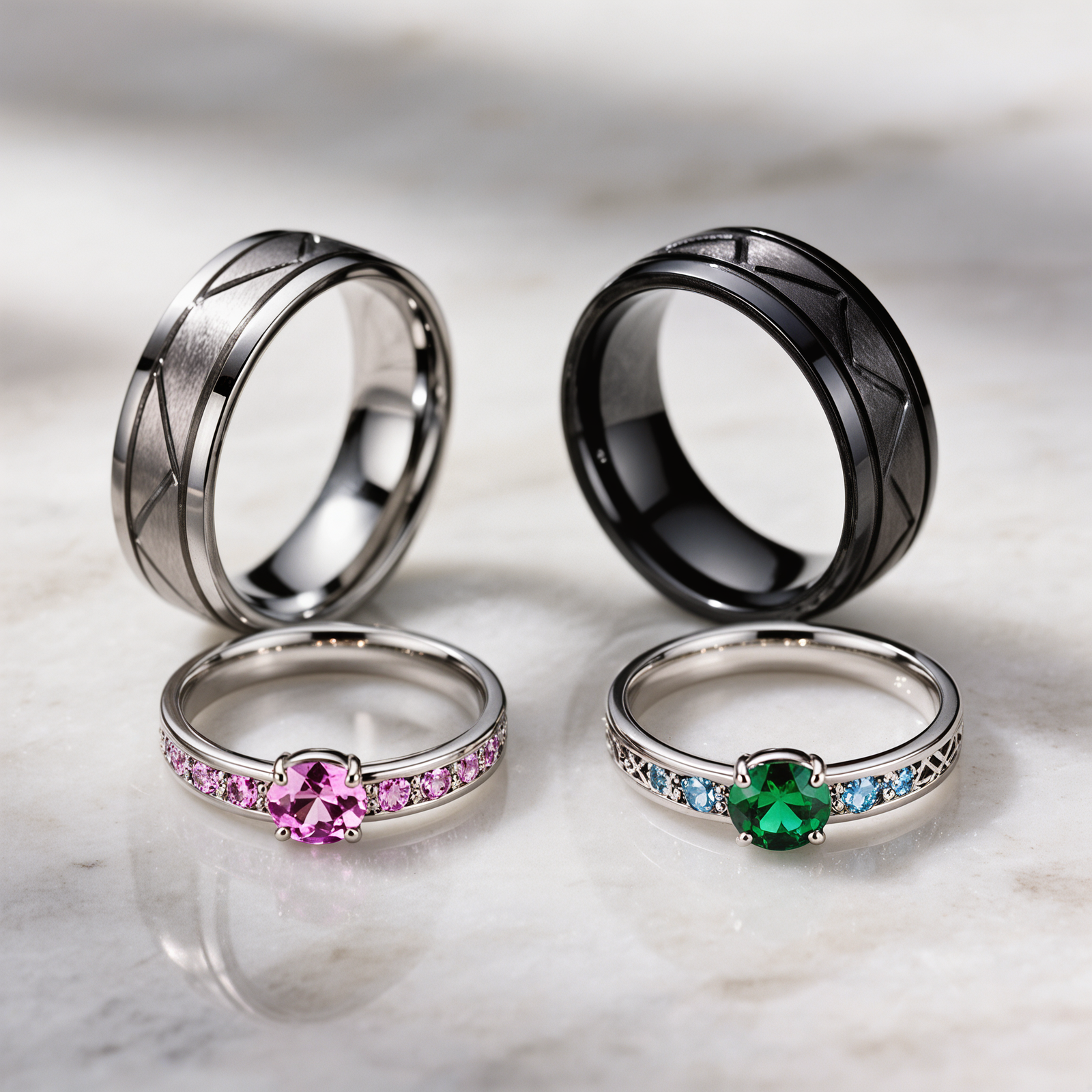
Finding the perfect matching wedding rings is one of the most meaningful decisions couples make together. These symbols of unity represent your commitment while reflecting your unique style as a pair. Whether you're seeking traditional his-and-hers sets or modern complementary designs, this comprehensive guide provides everything you need to make an informed choice in 2025.
Understanding Your Options: The Three Paths to Perfect Matching
What are the main approaches to matching wedding rings?
Traditional wedding sets offer the most coordinated approach, featuring rings designed specifically as pairs. These sets typically include matching metals, similar design elements, and proportional sizing that creates visual harmony when worn together.
Benefits of traditional wedding sets:
- Guaranteed visual coordination
- Often more cost-effective when purchased together
- Eliminates guesswork in pairing decisions
- Creates strong symbolic unity
Limitations to consider:
- Less individual expression
- One partner may prefer different style elements
- Sizing constraints if one ring needs significant alterations
How do you match a wedding band with an existing engagement ring?
Engagement ring complementary approach focuses on creating harmony between the bride's existing engagement ring and both wedding bands. This method prioritizes the engagement ring as the focal point while ensuring all pieces work together cohesively.
Key matching strategies:
- Metal coordination: Match or complement the engagement ring's metal
- Profile compatibility: Ensure the wedding band sits flush against the engagement ring
- Visual balance: Consider proportions and avoid overwhelming the engagement ring
- Style consistency: Maintain similar design themes (vintage, modern, classic)
The groom's band typically mirrors the bride's wedding band choice while adapting masculine proportions and styling preferences.
What is the uniquely coordinated approach to wedding rings?
Uniquely coordinated rings share common elements (metal, finish, or subtle design details) while allowing each partner to express individual style. This approach has gained significant popularity among modern couples who value both unity and personal expression.
Common coordination elements:
- Same metal type with different finishes (brushed vs. polished)
- Shared accent elements (small diamonds, engraving style)
- Complementary widths that follow proportional relationships
- Similar but not identical textures or patterns
This approach works particularly well for couples with different style preferences or when traditional gender norms don't apply to ring choices.
2025 Trending Styles and What's Hot Right Now
What are the biggest wedding ring trends in 2025?
Mixed metal combinations dominate 2025 trends, with couples embracing two-tone designs that blend warm and cool metals. Popular combinations include rose gold with white gold, yellow gold with platinum, and even incorporating blackened metals for dramatic contrast.
Textured and matte finishes are replacing traditional high-polish surfaces. Brushed, hammered, and sandblasted textures add visual interest while being more forgiving of daily wear scratches.
Key 2025 trend highlights:
- Geometric designs: Clean lines, angular profiles, and architectural elements
- Sustainable materials: Recycled metals and lab-grown diamonds are gaining mainstream acceptance
- Stackable designs: Wedding bands designed to work with future anniversary or milestone rings
- Personalized engraving: Moving beyond initials to include coordinates, sound waves, or fingerprints
- Colored accents: Subtle gemstone details in birthstones or meaningful colors
How are celebrities influencing wedding ring choices?
Celebrity couples are embracing more unconventional pairings, with mixed metals and asymmetrical designs gaining visibility. The influence extends beyond Hollywood to social media influencers who showcase everyday wear styling and ring stacking techniques.
Social media impact on ring trends:
- Instagram-worthy stacking combinations
- Video content showing rings in different lighting
- Real couple testimonials over professional modeling
- Emphasis on long-term wearability and comfort
The Complete Guide to Wedding Ring Materials
Which metal should you choose for matching wedding rings?
Platinum remains the premium choice for wedding rings, offering unmatched durability and hypoallergenic properties. At 95% pure platinum, these rings maintain their appearance for decades with minimal maintenance.
Platinum advantages:
- Naturally white color won't fade or change
- Extremely durable and scratch-resistant
- Hypoallergenic for sensitive skin
- Holds diamonds and gemstones securely
- Develops attractive patina over time
Considerations for platinum:
- Higher initial cost (typically 40-60% more than gold)
- A heavier weight may require an adjustment period
- Limited style options compared to gold
- Professional polishing needed to restore the high shine
How do gold options compare for wedding rings?
14k gold provides the optimal balance of durability, beauty, and value for most couples. With 58.3% pure gold content, 14k offers excellent strength while maintaining gold's classic appeal.
18k gold contains 75% pure gold, providing richer color and hypoallergenic properties at a higher price point.
Gold color comparison:
- Yellow gold: Traditional warmth, complements all skin tones, requires minimal maintenance
- White gold:M odern appeal, often rhodium-plated for brightness, may need replating over time
- Rose gold :Romantic hue from copper content, trending in 2025, naturally tarnish-resistant
Gold durability rankings:
- 14k white gold (hardest, most scratch-resistant)
- 14k yellow gold (excellent balance)
- 14k rose gold (copper adds strength)
- 18k variations (softer but richer color)
What alternative metals work for matching wedding rings?
Titanium offers an exceptional strength-to-weight ratio, making it ideal for active lifestyles. This biocompatible metal resists corrosion and maintains its appearance indefinitely.
Tungsten carbide provides the ultimate in scratch resistance with a modern, industrial aesthetic. However, it cannot be resized and may shatter under extreme impact.
Alternative metal comparison:
|
Metal |
Durability |
Weight |
Cost |
Resizing |
|
Titanium |
Excellent |
Very Light |
Low |
Difficult |
|
Tungsten |
Superior |
Heavy |
Low |
Impossible |
|
Cobalt |
Very Good |
Medium |
Low |
Limited |
|
Tantalum |
Excellent |
Heavy |
High |
Difficult |
How do sustainable and ethical options compare?
Recycled metals now comprise over 60% of new jewelry production, offering identical quality to newly mined materials while reducing environmental impact.
Lab-grown diamonds provide ethical certainty and significant cost savings (30-50% less than natural diamonds) while offering identical physical and chemical properties.
Sustainability benefits:
- Recycled precious metals reduce mining demand
- Lab-grown diamonds eliminate conflict concerns
- Local artisan partnerships support small businesses
- Lifetime warranties encourage long-term ownership over replacement
Design Elements That Make or Break Your Choice
How does the ring profile affect comfort and appearance?
Ring profile refers to the cross-sectional shape of the band, dramatically affecting both comfort and visual impact.
Court profile features rounded interior and exterior surfaces, providing maximum comfort for daily wear. The curved interior reduces pressure points, making court profiles ideal for wider bands or those with larger fingers.
D-shape profile combines a flat interior with a rounded exterior, offering a snug fit against the finger while maintaining visual appeal. This profile works well for those who prefer their rings to sit securely without rotation.
Flat profile features crisp, angular edges that create a modern, architectural appearance. While striking visually, flat profiles can feel less comfortable for extended wear, particularly in wider bands.
Flat court profile merges contemporary flat exterior styling with comfortable rounded interior surfaces, representing the best of both approaches for many couples.
What ring width should couples choose?
Women's wedding ring width typically ranges from 2mm to 6mm, with 2.5-3mm representing the most popular choice. Consider the engagement ring width when selecting - wedding bands should complement rather than compete.
Men's wedding ring width generally spans 4mm to 8mm, with 6mm being the most common selection. Wider bands (7-8mm) suit larger hands and make bold statements, while narrower options (4-5mm) offer understated elegance.
Width selection factors:
- Hand size and finger length
- Personal style preferences
- Engagement ring proportions (for women)
- Daily activity requirements
- Budget considerations (wider rings require more metal)
Professional sizing tip: Ring width affects finger size - wider bands require larger ring sizes for a comfortable fit.
Which surface finish best suits your lifestyle?
High polish finish creates maximum brilliance and reflects light beautifully, but shows scratches and fingerprints more readily. Best suited for those who enjoy regular ring maintenance and formal styling.
Brushed finish provides subtle texture that camouflages minor scratches while maintaining a sophisticated appearance. The linear grain pattern suits both traditional and contemporary designs.
Sandblasted finish creates a uniform matte texture that virtually eliminates visible wear marks. Popular for men's rings and active lifestyles, though it may appear less formal than polished alternatives.
Hammered finish adds artisanal character with varied light reflection that naturally disguises daily wear. Each ring develops a unique character over time.
Stone Settings and Diamond Considerations
What are the most secure diamond settings for wedding rings?
Channel setting suspends diamonds between two metal walls, providing excellent security while creating continuous sparkle. This setting protects stone edges and suits active lifestyles.
Pavé setting uses small beads of metal to secure multiple small diamonds, creating maximum brilliance. While stunning visually, pavé requires more careful maintenance to prevent stone loss.
Bezel setting encircles each diamond with a metal rim, offering supreme protection while maintaining clean, modern aesthetics. This setting works particularly well for geometric ring designs.
Prong setting uses metal claws to hold diamonds, allowing maximum light entry for optimal brilliance. Four-prong settings offer adequate security, while six-prong options provide additional protection for valuable stones.
How do lab-grown diamonds compare to natural diamonds in wedding rings?
Lab-grown diamonds are chemically, physically, and optically identical to natural diamonds. They're created using advanced technology that replicates natural formation processes in controlled environments.
Cost comparison (2025 pricing):
- Lab-grown diamonds: 40-50% less expensive than natural equivalents
- Natural diamonds: Traditional choice with established resale market
- Both options: Identical appearance, hardness, and brilliance
Ethical considerations:
- Lab-grown: Guaranteed conflict-free origin, reduced environmental impact
- Natural: Established certification systems, some mining operations support local communities
Investment perspective:
- Lab-grown diamonds focus on personal value over investment return
- Natural diamonds maintain broader resale recognition
- Both options: Identical beauty and symbolism for daily wear
Should you include colored gemstones in matching wedding rings?
Birthstone accents add personal meaning while maintaining subtle coordination between partners. Consider each partner's birth month for complementary color schemes.
Sapphire alternatives offer exceptional hardness (9 on the Mohs scale) in various colors beyond traditional blue. White sapphires provide a diamond-like appearance at a lower cost.
Design integration tips:
- Limit colored stones to accent positions
- Ensure color coordination between both rings
- Consider long-term wearability and versatility
- Match intensity levels between gemstone choices
Sizing, Fit, and Comfort Optimization
How should wedding rings fit properly?
Professional sizing ensures optimal comfort and security. Wedding rings should slide over the knuckle with slight resistance and rest comfortably at the finger base without excessive looseness.
Comfort fit vs. standard fit:
- Comfort fit: Interior diameter slightly domed, easier to slide on/off
- Standard fit: Flat interior surface, more economical, traditional feel
Seasonal considerations:
- Fingers swell in warm weather and shrink in cold
- Size rings during moderate temperature and humidity
- Account for pregnancy, medication, or health changes that affect finger size
Can wedding rings be resized after purchase?
Resizing limitations by material:
- Gold rings: Can typically be adjusted 1-2 sizes up or down
- Platinum rings: Excellent resizing capability due to metal properties
- Titanium rings: Extremely difficult to resize, require replacement
- Tungsten rings: Cannot be resized, must be replaced
- Rings with continuous stones:Limited resizing options
Resizing cost factors:
- Simple band adjustments: $50-150
- Rings with stones: $100-300
- Complex designs or alternative metals: $200-500

Personalization and Custom Options
What are the most meaningful engraving options for matching rings?
Traditional engraving choices:
- Wedding date in various formats
- Initials or full names
- Classic phrases: "Forever," "Always," "Until the end of time"
Modern personalization trends:
- Geographic coordinates of meaningful locations
- Sound wave patterns of spoken words
- Fingerprints or handwriting reproduction
- Foreign language translations of personal sayings
Engraving placement options:
- Interior engraving: Private, protected from daily wear
- Exterior engraving: Visible design element, requires more maintenance
- Edge engraving: Subtle visibility, works well with angular profiles
How does the custom design process work?
Custom design timeline:
- Initial consultation:2-3 weeks for concept development
- CAD rendering:1-2 weeks for digital mockups and revisions
- Prototype creation:2-3 weeks for physical samples (optional)
- Final production:3-4 weeks for completion
- Final fitting week for adjustments if needed
Budget considerations for custom rings:
- Design consultation: $200-500
- CAD rendering: $300-800
- Prototype costs: $400-1000 (optional)
- Production premium: 25-50% above comparable ready-made rings
Working with experienced designers ensures realistic expectations and satisfactory outcomes while avoiding costly revisions.
Budget Planning and Investment Strategy
What should couples expect to spend on matching wedding rings in 2025?
Entry-level options ($400-1,200 total):
- 14k gold plain bands or simple alternative metals
- Basic diamond accents or no stones
- Standard sizing and minimal customization
- Excellent value for budget-conscious couples
Mid-range selections ($1,200-4,500 total):
- Premium metals (18k gold, platinum)
- Quality diamond or gemstone accents
- Custom sizing and basic personalization
- Professional craftsmanship and warranties
Luxury choices ($4,500+ total):
- Premium materials and extensive customization
- High-quality diamonds or rare gemstones
- Artisan craftsmanship and unique designs
- Comprehensive warranties and lifetime services
How can couples optimize their wedding ring budget?
Value optimization strategies:
- Metal allocation: Invest in higher-quality metal over extensive stone work
- Timing purchases:Shop during off-peak seasons (January-March, September-October)
- Bundle discounts: Purchase both rings from the same retailer for package pricing
- Future upgrading: Start with quality basics and add elements for anniversaries
Financing considerations:
- Many jewelers offer 0% interest payment plans for 6-24 months
- Credit card rewards can offset costs if paid promptly
- Consider the total cost of ownership, including maintenance and insurance
Should couples consider wedding rings as investments?
Investment perspective reality:
- Wedding rings are primarily personal, not financial investments
- Precious metals hold intrinsic value but rarely appreciate significantly
- Diamond resale values typically 20-40% of the retail purchase price
- Custom rings may have minimal resale value
Value retention factors:
- Brand reputation: Established designers maintain value better
- Quality materials: Platinum and high-karat gold retain value most effectively
- Classic designs: Timeless styles have broader appeal for resale
- Documentation: Original certificates and receipts are essential for value claims
Cultural and Lifestyle Considerations
How do different cultures approach matching wedding rings?
Western traditions emphasize matching metals and complementary designs, with rings worn on the left hand ring finger based on the "vena amoris" (vein of love) belief.
Eastern European traditions often favor right-hand wear and highly detailed engravings or religious symbols incorporated into ring designs.
Religious considerations:
- Jewish traditions: Simple, unbroken bands symbolizing eternal commitment
- Christian customs : Cross engravings or biblical verse inscriptions
- Islamic practices: Preference for silver or modest gold designs
- Hindu traditions: Toe rings for married women, various finger placement customs
How should active lifestyles influence ring choices?
Professional considerations:
- Healthcare workers: Silicone alternatives for hygiene requirements
- Manual laborers: Flat profiles and harder metals for durability
- Musicians: Comfort fit and appropriate width for instrument play
- Food service: Easy-clean finishes and secure stone settings
Activity-specific recommendations:
- Sports: Low-profile settings, secure stones, comfortable fit
- Travel: Secure designs, insurance documentation, and cleaning accessibility
- Water activities: Corrosion-resistant metals, secure sizing
Do all married couples need to wear wedding rings?
Not all married couples choose to wear traditional wedding rings, and this decision is becoming increasingly accepted. Some alternatives include:
Alternative symbols of commitment:
- Matching tattoos or other permanent body art
- Shared jewelry pieces worn on chains or as brooches
- Engraved watches or other meaningful accessories
- Cultural or religious symbols specific to the couple's background
The most important aspect is that the choice reflects both partners' preferences and comfort levels with traditional symbols.
The Shopping Process: From Research to Purchase
What timeline should couples follow for wedding ring shopping?
Ideal timeline (4-6 months before wedding):
- 6 months prior: Begin research and style exploration
- 4-5 months prior: Visit retailers, try on styles, narrow choices
- 3-4 months prior: Make final selections and place orders
- 2 months prior: First fittings and any necessary adjustments
- 2-4 weeks prior: Final fittings and pickup
- Wedding week: Final inspection and any last-minute adjustments
Rush timeline considerations:
- Many retailers offer expedited services for 2-4 week delivery
- Limited customization options for quick turnaround
- Higher costs for rush orders
- Potential sizing issues without adequate fitting time
Should couples shop online or visit physical retailers?
Online shopping advantages:
- Broader selection and competitive pricing
- Detailed product information and customer reviews
- Home try-on programs are available from major retailers
- 24/7 shopping convenience
Physical retailer benefits:
- Hands-on examination of quality and fit
- Professional guidance from experienced staff
- Immediate gratification and instant sizing
- Personal relationship building for future services
Hybrid approach recommendations:
- Research options and educate yourself online
- Visit physical locations to experience quality and fit
- Compare the final pricing and services between the options
- Choose based on comfort level and specific needs
What questions should couples ask retailers?
Essential retailer questions:
- What warranty and return policies apply?
- Are resizing services included or an additional cost?
- What is the expected delivery timeline?
- Do you offer cleaning and maintenance services?
- Can you provide certificates of authenticity for diamonds/metals?
- What insurance or replacement options exist?
- Are there financing or payment plan options?
When you're ready to make your purchase, many couples find it helpful to shop wedding rings from retailers that offer comprehensive services and warranties.
Long-Term Care and Maintenance
How should couples maintain their wedding rings daily?
Daily care recommendations:
- Remove rings during hand-intensive activities
- Clean gently with warm water and mild soap weekly
- Dry thoroughly with a soft cloth, avoiding paper towels
- Store in separate compartments to prevent scratching
- Inspect prongs and settings monthly for looseness
Professional maintenance schedule:
- Every 6 months: Professional cleaning and inspection
- Annually: Comprehensive check-up, including prong tightening
- Every 3-5 years: Professional repolishing if desired
- As needed: Stone replacement or setting repairs
What damages can affect wedding rings over time?
Common wear patterns:
- Scratching: Surface marks from daily contact
- Prong wear: Gradual thinning of stone-holding prongs
- Sizing changes: Finger size variations due to age, health, and climate
- Stone loss: Gradual loosening from daily wear and impact
Prevention strategies:
- Regular professional inspections catch issues early
- Proper storage prevents unnecessary scratching
- Insurance coverage protects against loss or major damage
- Prompt attention to loose stones prevents loss
Understanding the difference between engagement rings vs wedding rings helps couples make informed decisions about care and maintenance requirements for their complete bridal set.
Troubleshooting Common Concerns
What if wedding rings don't fit properly after purchase?
Immediate sizing solutions:
- Most reputable jewelers offer complimentary sizing within 30-60 days
- Temporary sizing solutions (ring guards, tape) for minor adjustments
- Professional stretching or compression for small changes
Long-term fit changes:
- Weight fluctuations affect finger size significantly
- Pregnancy, medications, and health conditions impact sizing
- Seasonal variations require consideration of the average fit
- Ring guards provide adjustable solutions for temporary changes
How do couples handle ring allergies or sensitivities?
Hypoallergenic alternatives:
- Platinum is naturally hypoallergenic for most people
- 18k gold contains fewer alloy metals that cause reactions
- Titanium and tantalum offer excellent biocompatibility
- Palladium provides a white metal option for sensitive skin
Sensitivity management:
- Professional allergy testing identifies specific metal triggers
- Protective coatings can barrier problematic metals
- Alternative wearing methods (chains, special occasions only)
- Medical consultation for persistent reactions
Whether you're considering traditional options or need help understanding if all married couples wear rings, the most important factor is finding solutions that work for your specific situation and preferences.
2025 Expert Recommendations and Final Thoughts
What are the top wedding ring recommendations by category?
Best overall value: 14k gold comfort-fit bands with brushed finish
- Optimal durability-to-cost ratio
- Versatile styling works with most engagement rings
- Easy maintenance and professional service availability
Best for active lifestyles: Platinum flat-court profile with bezel-set diamonds
- Supreme durability and hypoallergenic properties
- Secure stone settings withstand daily activity
- Low-maintenance finish requirements
Best budget option: Titanium bands with simple engraving
- Exceptional strength and lightweight comfort
- Modern aesthetic appeals to contemporary couples
- Significant cost savings allow budget allocation elsewhere
Best luxury choice: Custom-designed platinum with ethically sourced diamonds
- Unlimited personalization options
- Premium materials ensure lifetime beauty
- Exclusive designs reflect a unique love story
How will wedding ring trends evolve beyond 2025?
Technology integration predictions:
- Smart ring features (health monitoring, contactless payments)
- Advanced materials (graphene, carbon fiber applications)
- 3D printing customization is becoming mainstream
- Augmented reality try-on experiences
Sustainability trend acceleration:
- Recycled materials becoming standard rather than premium
- Lab-grown diamonds are achieving the majority market share
- Local artisan partnerships replacing mass production
- Circular economy approaches to ring lifecycle management
What decision-making framework should couples use?
Priority assessment questions:
- Which is more important: matching exactly or individual expression?
- What lifestyle factors must your rings accommodate?
- How does your budget align with long-term value preferences?
- Which design elements hold the most personal meaning?
- What timeline constraints affect your decision process?
Final selection criteria:
- Comfort: Rings you'll enjoy wearing daily for decades
- Quality: Materials and craftsmanship that endure
- Style : Designs that reflect your relationship and personalities
- Value: Investment that aligns with your priorities and budget
- Meaning: Symbols that genuinely represent your commitment
For additional guidance on the selection process, couples often benefit from consulting comprehensive wedding ring buying guides that address specific concerns and preferences.
The perfect matching wedding rings exist for every couple - they simply require thoughtful consideration of your unique needs, preferences, and circumstances. Take time to explore options, ask questions, and trust your instincts about what feels right for your relationship.
Your wedding rings will accompany you through every milestone, challenge, and celebration of your marriage. Choose designs that not only look beautiful today but will continue to bring joy and meaning for all the years ahead. Whether you select traditional matching sets or uniquely coordinated designs, let your rings tell the story of your love in a way that's authentically yours.
For those ready to begin their search, buying men's wedding matching rings requires consideration of masculine aesthetics, durability requirements, and coordination with women's ring selections to achieve the perfect matched set.
This comprehensive guide represents current industry expertise and 2025 market trends. Individual preferences and circumstances may vary. Consult with certified gemologists and experienced jewelers for personalized recommendations specific to your needs and budget.
Author Bio: This guide was compiled by wedding jewelry experts with over 20 years of combined experience in bridal ring selection, custom design, and industry trend analysis. Our recommendations are based on extensive market research, customer feedback, and professional gemological training.


Lascia un commento